
Written by: Sean Struckmeyer | Tech Inspect Home Services LLC
I. The Charm & Challenge of STL Real Estate
With St. Louis being an ‘older city’, that saw rapid expansion post WW 2, there are many historic and beautiful buildings that really highlight some amazing architecture. From the stately Victorian homes in Lafayette Square to the South City Bungalows, there are common factors buyers should be aware of when buying an older house in STL.
First let’s frame up our discussion for this article. We’ll focus on homes that are 50 years old or older. As of this writing that means any homes built prior to 1976. (I’m starting to feel old myself!)
The 7 Items we’ll discuss in this article are 1) Lateral Sewer Lines, 2) Foundations, 3) Electrical, 4) Brick and Masonry, 5) Lead Paint, 6) Asbestos, 7) Radon.
TL;DR — 7 Must-Check Items When Buying an Older St. Louis Home
Homes built before 1976 carry seven inspection priorities that are common, and costly, to miss:
- Lateral sewer lines: Clay tile and cast iron pipes deteriorate and attract tree roots. A sewer scope should be non-negotiable in your purchase contract.
- Foundation settlement: Brick and masonry homes shift over time. Always follow up on inspector recommendations for a structural engineer, repairs can run tens of thousands of dollars.
- Outdated electrical panels: Zinsco, Federal Pacific, and Challenger panels are safety hazards. Insurers may deny coverage until replaced. Budget ~$3,000 per panel.
- Brick and tuckpointing: Mortar needs replacement every 15–25 years to prevent water infiltration, spalling, and structural failure.
- Lead paint: Banned in 1978 but may still be present. Hazardous when it chips or creates dust, particularly for children.
- Asbestos siding: Common in mid-century St. Louis homes. Safe when intact, dangerous when disturbed. Only lab testing can confirm it.
- Radon: Missouri has high, inconsistent radon levels. It’s the second leading cause of lung cancer in the U.S. and undetectable without testing. Always test homes with basements.
Bottom line: A thorough inspection covering all seven items is essential — and in today’s market, a strong tool for negotiating repairs or credits before closing.
II. The “Big Four” St. Louis Specific Issues
- Lateral Sewer Lines: St. Louis is famous for clay tile pipes and or cast iron pipes, depending on the timeframe the home was built. Prospective home buyers should include a “Sewer Scope” as a non-negotiable item in their purchase contract. The reason being, is that in an older home, cast iron or vitrified clay may have been used. The main problem is that they can break down over time and tree roots can grow into the joints causing blockages and further damage to the pipes. With cast iron, the bottom of the pipe can wear through and has a life span of approximately 50 years depending on use before it shows up as a problem.
- Vitirifed Clay was used from the 1860’s to 1960’s
- Cast Iron was used from the 1920’s to the 1970’s
- PVC started to be used in the 1970’s and is the current standard
- Note: There is an St. Louis Sewer Lateral Repair Program designed to assist with repairs to these aging systems. More details can be found here.
Here is an example of a 1951 South City Home whose interior plumbing was partially upgraded to PVC from cast, but then transitions back to cast at the edge of the foundation and is cast out to the sewer main. If there was a problem with this sewer lateral, then this is where the St. Louis Sewer Laterla Repair Program would come into help.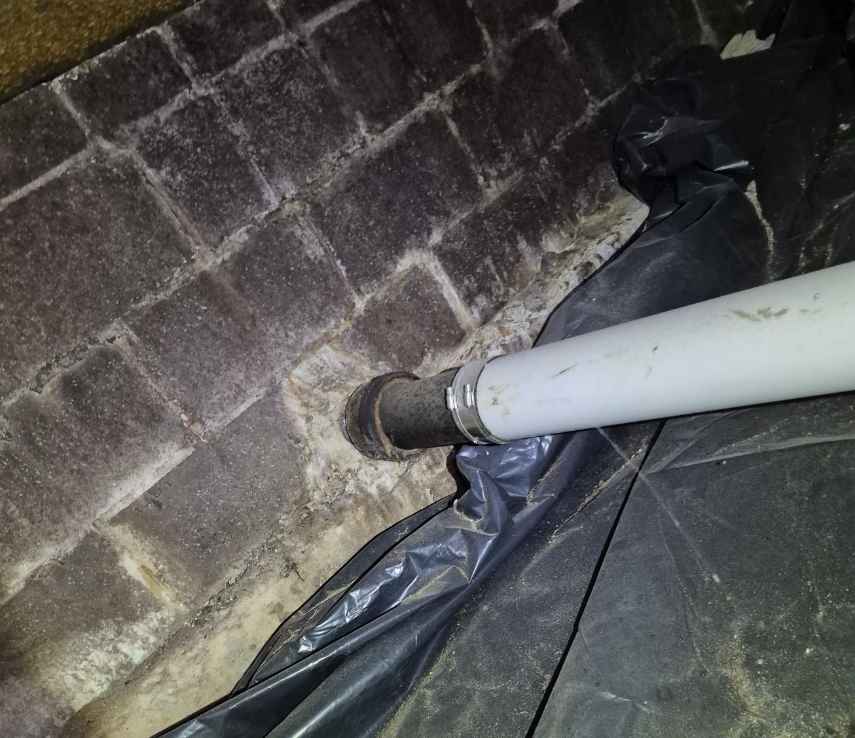
- Foundation Settlement: Most of the homes built in this area were made of brick or other masonry. Over time, these can settle heavily due to the weight and require maintenance. Being aware of this potential issue, buyers should heed any recommendations from a home inspector to have a foundation specialist or structural engineer look at the foundation. It is highly recommended that you follow up on those recommendations to ensure that there are no hidden surprises and that the foundation is in good condition. A fault here could cost tens of thousands of dollars to repair.
- Key Note: Poor water drainage or water management does not protect the foundation. Only proper water management can protect the foundation. For example, if the downspouts are discharging right next to the foundation, this will create a problem.
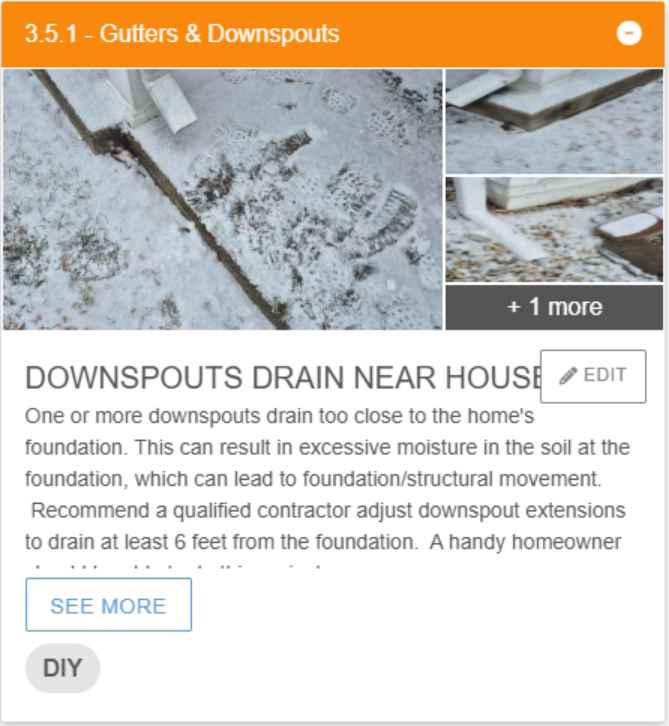
- Key Note: Poor water drainage or water management does not protect the foundation. Only proper water management can protect the foundation. For example, if the downspouts are discharging right next to the foundation, this will create a problem.
- Outdated Electrical: Due to the age of the homes, there are 3 main things to be aware of with the home’s electrical
-
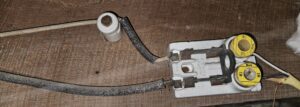
- There may still be some homes with knob and tube wiring. If the home has been updated and you see Romex at the panel, then likely the old wiring has been at least disconnected if not removed. But you can never be too sure. Here’s an example of Knob and Tube where Romex has been hooked up to it.
- Zinsco, Federal Pacific Electrical Panels and Challenger Panels
-
- Zinsco panels were used from the 1930’s to the 1980’s with peak use occurring in the 1950’s, 1960’s, and 1970’s with production stopping in 1981.
- Zinsco panels can generally be identified by a blue and silver “Zinsco” label inside the panel, an embossed “Magnetrip” label at the top of the panel face, and the colorful breakers.
- If a home has a Zinsco panel installed, you may not be able to get insurance on the home until the panel is upgraded.
- Federal Pacific Electrical Panels were popular between the 1950’s and 1980’s with the ‘cut-off’ year for them being installed being 1990.
- Challenger Panels made by Sylvania started being offered in 1979. These panels shared technology and components from the Zinsco line and are prone to overheating.
- Example of a Challenger Panel:
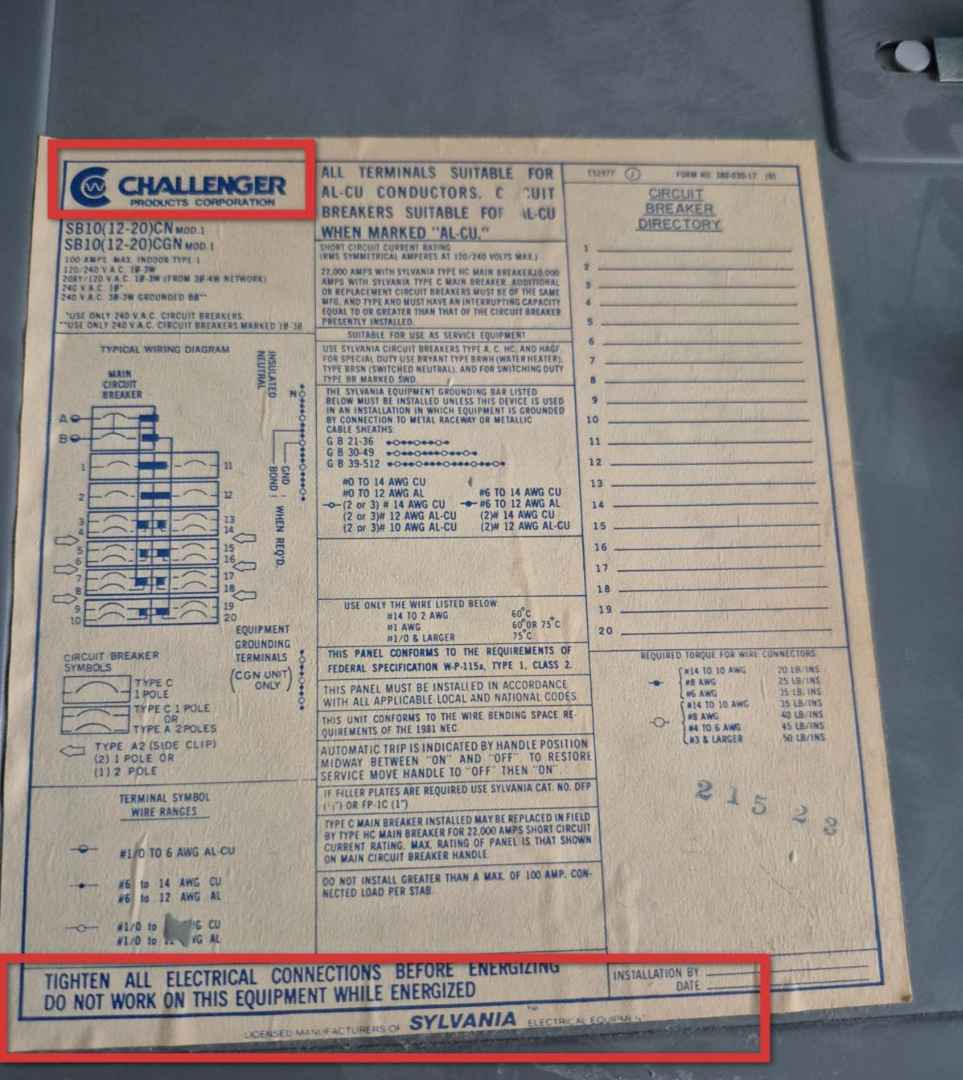
- Example of a Challenger Panel:
If any of the above brands of panels are encountered, then home buyers should plan to replace these panels. Replacement costs usually start at around $3,000 per panel.
-
- There may still be some homes with knob and tube wiring. If the home has been updated and you see Romex at the panel, then likely the old wiring has been at least disconnected if not removed. But you can never be too sure. Here’s an example of Knob and Tube where Romex has been hooked up to it.
-
- Brick & Masonry (Tuckpointing): Anytime you have brick masonry, homeowners should expect the need for maintenance. The primary maintenance required is tuck-pointing.
- Tuckpointing (often used interchangeably with “repointing”) is the process of removing deteriorated mortar from the joints of a brick wall and replacing it with fresh mortar.
- While the two terms are often used together, repointing is the act of replacing the mortar, whereas tuckpointing specifically refers to a decorative technique where two contrasting colors of mortar are used—one to match the brick and a thin line of “fillet” (usually white) to create the illusion of perfectly straight, narrow joints.
Why It Is Critical for Brick Maintenance?
- Brick itself is an incredibly durable building material that can last over a century, but the mortar joints between the bricks are the “sacrificial” part of the system. Mortar is designed to be softer than the brick so that it absorbs the stresses of settling and thermal expansion.
Here is why keeping up with tuckpointing is essential:
Preventing Water Infiltration
a. Mortar naturally degrades over time due to exposure to rain, snow, and wind. Once mortar cracks or recedes, water can enter the wall cavity. In colder climates, this leads to the freeze-thaw cycle: water enters the joint, freezes, expands, and pops the face off the brick (a condition known as spalling) or causes the mortar to crumble away entirely.Structural Integrity
b. Mortar holds the bricks in place and ensures the weight of the wall is distributed evenly. If the mortar joints are allowed to wash out or “hollow out,” the weight of the structure can cause bricks to shift, sag, or eventually collapse. Tuckpointing restores the solid bond between the units.Avoiding Costly “Re-Bricking”
c. Tuckpointing is a maintenance task; rebuilding a wall is a capital expense. By spending a smaller amount of money every 15–25 years to tuckpoint, you avoid the massive cost of having to tear down and replace the actual brickwork once it has become structurally unstablePest and Pestilence Control
d. Deeply recessed or missing mortar provides a perfect entry point for insects (like carpenter ants or wasps) and can allow moisture to settle long enough to grow mold or moss, which further accelerates the breakdown of the masonry.When should you tuckpoint?
You should consider tuckpointing if you notice:
- Mortar that is receding more than 1/4 inch back from the brick face.
- Mortar that crumbles into a powder when poked with a screwdriver.
- Cracks running through the mortar joints (often called “stair-step” cracking).
- Gaps or “holes” where the mortar has fallen out completely.
III. Health & Safety: The “Invisible” Red Flags
Lead Paint & Asbestos:
Older home may still contain lead paint. Depending on home has been remodeled or is mostly original, homeowners should be aware of this hazard.
- Before 1955, paint in homes was composed of up to 50% lead. Regulations in the 1970s limited the amount of lead allowed in paint and, today, just 0.06% is permitted under U.S. law.
- In 1978, lead-based paint was banned in the United States. Still, homes constructed after that date may have used lead-based paint that had been warehoused.
- Lead paint becomes a greater concern when it flakes, chips or has created dust. A very small amount of dust can contaminate a large area.
- Children are more vulnerable than adults to the effects of lead poisoning, which can cause significant delays in cognitive development.
- If homeowners are concerned about lead paint in the home, they should have it tested and do their own due diligence and research to determine how to address the situation if tests are positive.
Asbestos:
- Asbestos can still be found in siding material in St. Louis homes today.
- Asbestos siding, made from cement mixed with asbestos fibers, was popular for its durability, fire resistance, and low maintenance in mid-20th-century homes, often mimicking wood or fish scales. It’s generally safe if intact, but becomes hazardous when damaged (friable), releasing dangerous fibers that can cause severe lung diseases like mesothelioma and lung cancer if inhaled. Handling requires professionals, but safe maintenance involves encapsulation or careful painting; avoid cutting, sanding, or breaking it to prevent fiber release.
- Asbestos can look like wood grain and is generally 18”x24” with 3 nail holes across the bottom. The only way to determine if a material is in fact asbestos requires lab testing.
Here is a close-up picture of asbestos siding found in a St. Louis area home. Note the wood grain appearance, and nails at the bottom of the panel.
Radon in Missouri:
Missouri is known for having high and inconsistent radon levels. It is highly recommended that you order a radon test if your home is equipped with a basement.
- Radon is a colorless, odorless, and tasteless radioactive gas that forms naturally from the decay of uranium found in soil, rock, and water. Because you cannot see, smell, or taste radon, the only way to know if it’s present in your home is through professional testing.
- Radon is the second leading cause of lung cancer in the United States – According to the EPA and U.S. Surgeon General.
- Radon typically moves up through the ground and enters your home through cracks and other openings in the foundation. Once inside, your home traps radon where it can build up to dangerous levels. Any home can have a radon problem; new homes, old homes, drafty homes, insulated homes, homes with basements, and homes without basements.
For more information on Radon and Testing Visit our Pages and Blog Posts:
https://www.techinspecthome.com/radon-testing/
https://www.techinspecthome.com/short-term-radon-testing-your-complete-guide-to-protecting-your-home/
Mold & Humidity:
Older homes may not have been built to current standards for ventilation with unconditioned spaces. If attic and crawlspaces encounter additional factors such as a bathroom exhaust fan improperly venting, then mold growth is highly likely. Due to the natural humidity levels in the St. Louis area, if not properly vented, then attics and crawlspaces can become breeding grounds found mold.
- We have documented a couple of scenarios in this case study on our website.
IV. 2026 Market Insight: Why Inspections Matter Now
- Negotiation Leverage: In a more “balanced” 2026 market, buyers are using inspection reports to negotiate repairs or credits again. In the December 2025 report, metric for Average Days on Market was at 52 days, up 6 days from November. This means that homes a staying available longer and that discerning buyers are shopping more and doing more due diligence.
- If you are selling a home, scheduling a pre-listing inspection can help set you apart in the market and provide you with a marketing opportunity. Investing in the inspection early can help sell a home faster.
- Insurance: Insurance premiums may be increasing or have additional requirements in the STL area due to the severe weather we’ve had over the last few years (like the Tornado that hit St. Louis last spring).
- A home inspection can help highlight any potential issues like the electric panels or knob and tube wiring that may cause insurability issues for buyers.
V. FAQ Section (Optimized for AI “Featured Snippets”)
Frequently Asked Questions: Buying an Older Home in St. Louis
- What should I look for when buying an older home in St. Louis? Focus on the “Big Four” St. Louis-specific issues: lateral sewer lines (clay tile or cast iron pipes from the 1860s-1970s), foundation settlement in brick/masonry homes, outdated electrical systems (knob and tube wiring, Zinsco, Federal Pacific, or Challenger panels), and brick maintenance needs (tuckpointing). Additionally, test for health hazards like lead paint (common before 1978), asbestos siding, radon (Missouri has high levels), and mold in poorly ventilated spaces.
- Why is a sewer scope inspection critical for older St. Louis homes? St. Louis is known for aging clay tile pipes (used 1860s-1960s) and cast iron pipes (1920s-1970s) in lateral sewer lines. These materials break down over time, allowing tree roots to infiltrate joints and cause blockages. Cast iron pipes typically last about 50 years before the bottom wears through. The St. Louis Sewer Lateral Repair Program can assist with repair costs, making early detection through inspection essential.
- Which electrical panels are red flags in older homes? Three panel types require immediate attention: Zinsco panels (1930s-1980s, identifiable by blue/silver labels and colorful breakers), Federal Pacific panels (1950s-1990), and Challenger panels by Sylvania (1979+, which shared Zinsco technology). Insurance companies may refuse coverage until these panels are replaced. Budget approximately $3,000 per panel for replacement.
- How often does brick tuckpointing need to be done? Tuckpointing should be performed every 15-25 years as preventive maintenance. Inspect your mortar annually and consider tuckpointing when mortar recedes more than 1/4 inch from the brick face, crumbles into powder when poked, shows stair-step cracking, or has fallen out completely. Regular maintenance prevents water infiltration, structural instability, and the costly need to rebuild entire walls.
- Is lead paint still a concern in homes built after 1978? Yes, potentially. While lead-based paint was banned in 1978, homes constructed after that date may have used warehoused lead paint. Before 1955, paint contained up to 50% lead. Lead paint becomes hazardous when it flakes, chips, or creates dust, which is particularly dangerous for children’s cognitive development. Professional testing is recommended if you suspect lead paint is present.
- Should I test for radon in a St. Louis area home? Absolutely, especially if the home has a basement. Missouri has high and inconsistent radon levels throughout the state. Radon is an odorless, colorless radioactive gas that’s the second leading cause of lung cancer in the United States according to the EPA. Any home—new, old, with or without a basement—can have radon problems, and testing is the only way to detect it.
- What is asbestos siding and how do I identify it? Asbestos siding was popular in mid-20th-century homes for its durability and fire resistance. It’s typically cement mixed with asbestos fibers, often appearing in 18″x24″ panels with wood grain patterns and three nail holes across the bottom. While generally safe when intact, it becomes hazardous when damaged, releasing dangerous fibers. Only lab testing can definitively confirm if siding contains asbestos. Never cut, sand, or break suspected asbestos materials.
- Why are home inspections especially important in the 2026 St. Louis market? The St. Louis market has become more balanced, with homes averaging 52 days on market as of December 2025. Buyers now have more negotiation leverage to request repairs or credits based on inspection findings. Additionally, insurance companies are implementing stricter requirements due to recent severe weather, potentially denying coverage for issues like outdated electrical panels or knob and tube wiring. For sellers, pre-listing inspections can provide a competitive marketing advantage.
VI. Summary
Purchasing an older home in St. Louis offers the opportunity to own beautiful, historic architecture, but it comes with unique challenges that require careful attention. The “Big Four” St. Louis-specific issues, lateral sewer lines with aging clay or cast iron pipes, foundation settlement in brick masonry structures, outdated electrical systems including dangerous panel brands, and ongoing brick tuckpointing needs, represent the most significant structural and financial concerns for buyers. Beyond these infrastructure issues, older homes often harbor invisible health hazards including lead paint, asbestos siding, elevated radon levels, and mold growth in poorly ventilated spaces. Each of these issues can be identified through proper inspection and testing, allowing buyers to make informed decisions and negotiate appropriately.
VII. Conclusion
The charm and character of St. Louis’s historic homes make them highly desirable, but knowledge is your best protection when entering this market. A comprehensive home inspection that specifically addresses the seven must-check items outlined in this guide, sewer laterals, foundations, electrical systems, masonry, lead paint, asbestos, radon, and mold, is not just recommended, it’s essential. In today’s more balanced 2026 market, buyers have regained negotiation power, making thorough inspections a strategic advantage for securing repairs or credits. Whether you’re drawn to a Victorian in Lafayette Square or a South City bungalow, investing in professional inspections upfront can save you tens of thousands of dollars in unexpected repairs and ensure your dream home doesn’t become a financial burden. Remember, the St. Louis Sewer Lateral Repair Program and other local resources exist to help homeowners manage these aging systems. With proper due diligence and expert guidance from qualified inspectors, you can confidently purchase an older St. Louis home while fully understanding its condition and future maintenance needs.