
CVPV is a Commonly Used Water Supply Material: But it’s not Perfect
When purchasing a home or maintaining an existing property, understanding the plumbing system is crucial for long-term safety and investment protection. Chlorinated Polyvinyl Chloride (CPVC) has been a popular choice for residential water supply lines for decades, offering advantages like corrosion resistance and ease of installation. However, emerging research and field experiences have revealed several systemic issues that homeowners should understand before buying a property with CPVC plumbing or when considering their options for plumbing repairs.
TLDR Summary: CPVC plumbing, common in homes built between the 1980s and early 2000s, carries known risks including environmental stress cracking from contact with everyday chemicals, accelerated brittleness from chlorine exposure and high water temperatures, and documented manufacturer litigation. Homeowners should watch for yellowing, hairline cracks, and chalky residue, and consult a licensed plumber or home inspector to assess condition, water chemistry, and replacement timeline. CPVC is a manageable risk factor, not an automatic deal-breaker when buying or maintaining a home.
Understanding CPVC in Residential Plumbing
CPVC became widely adopted in residential construction as an alternative to traditional copper piping. The material offered cost savings and simpler installation methods, making it attractive to builders and homeowners alike. Despite its initial promise, professional home inspectors increasingly encounter problematic CPVC systems during property evaluations, particularly in homes built between the 1980s and early 2000s.
Environmental Stress Cracking: A Hidden Threat
One of the most concerning defects associated with CPVC water lines involves a phenomenon called Environmental Stress Cracking (ESC). This issue occurs when the plastic material comes into contact with incompatible chemical substances commonly found in residential construction and maintenance products.
Chemical Incompatibility Issues
CPVC pipes demonstrate surprising sensitivity to everyday construction materials that homeowners might never suspect could cause problems. Fire-stop caulking, certain thread sealants, termite treatments containing specific pesticides, and even the insulation coating on electrical wires can trigger chemical reactions with CPVC material. When these substances contact the exterior surface of the pipe, they can cause the plastic to soften, weaken, or develop stress cracks.
The Lubrizol Chemical Compatibility Program, which oversees FlowGuard Gold CPVC products, maintains an extensive database documenting thousands of products that should never contact CPVC pipes. This comprehensive list highlights just how vulnerable this plumbing material can be to common household and construction chemicals.
The environmental stress cracking process works from the outside inward, meaning visual inspection may not detect problems until failure becomes imminent or has already occurred. Homeowners may discover leaks seemingly appearing from nowhere, often years after installation or exposure to incompatible materials.
Degradation from Chlorine and Temperature
Research has identified another significant concern affecting CPVC longevity: the combined impact of chlorine exposure and elevated water temperatures. Municipal water treatment facilities commonly use chlorine or chloramine as disinfectants, and these chemicals interact with CPVC material over time.
The Temperature Factor
Laboratory studies have demonstrated that CPVC experiences accelerated degradation when subjected to hot water conditions, particularly when water heaters are set above standard temperatures. According to industry research, the impact strength of CPVC can decrease substantially within the first ten to fifteen years of service under these conditions.
This degradation makes the material increasingly “shock sensitive,” meaning pipes become more susceptible to failure from water hammer, physical impacts during renovations, or even normal thermal expansion and contraction cycles. Homeowners in areas with aggressive water treatment protocols or those who prefer higher water heater settings face elevated risks of premature CPVC failure.
The combination of chemical exposure from disinfectants and thermal stress creates a compounding effect that can significantly reduce the expected service life of CPVC plumbing systems.
Manufacturing Concerns and Litigation
The plumbing industry has witnessed various legal actions and safety notices regarding specific CPVC applications and manufacturers. These cases provide important context for homeowners evaluating CPVC systems in their properties.
NIBCO, a prominent manufacturer of CPVC plumbing products, has faced litigation involving allegations that certain CPVC pipes were prone to premature cracking and leaking under normal operating conditions. While manufacturers maintain that properly installed CPVC can provide decades of service, these legal proceedings highlight documented cases where systems failed earlier than expected.
Similarly, other manufacturers involved in early plastic plumbing transitions faced scrutiny regarding the long-term durability of their rigid plastic formulations. These concerns extend beyond residential water supply to include CPVC applications in fire sprinkler systems, where failure can have life-safety implications.
What Homeowners Should Watch For
During home inspections, several warning signs may indicate potential CPVC problems. Visible discoloration, particularly yellowing or darkening of the pipe material, can suggest chemical exposure or degradation. Small hairline cracks, especially near fittings and joints, represent serious concerns that warrant immediate professional evaluation.
Homeowners should also pay attention to unexplained water pressure fluctuations, which might indicate developing leaks or structural weakness in the plumbing system. Any evidence of previous repairs, particularly multiple patches in a relatively young system, should raise questions about underlying systemic issues.
Properties located in areas with known high chlorine or chloramine water treatment levels deserve particular scrutiny when CPVC is present. Similarly, homes where the water heater has been set to higher temperatures may face accelerated CPVC degradation.
Visual Identification Guide: CPVC, PVC, and PEX Water Supply Lines
| Visual Characteristics | CPVC (Chlorinated PVC) | PVC (Polyvinyl Chloride) | PEX (Cross – Linked Polyethylene) |
| Color |
|
|
|
| Pipe Rigidity |
|
|
|
| Printed Markings |
|
|
|
| Joint/Connection Method |
|
|
|
| Pipe Diameter / Size |
|
|
|
| Surface Texture |
|
|
|
| Installation Years |
|
|
|
| Visual Defects to Watch For |
|
|
|
Important Note for Homeowners: While color is the quickest visual identifier, always confirm pipe type by reading the printed markings on the pipe itself. PVC should NOT be used for hot water supply lines despite sometimes appearing in older homes. If you’re unsure about your plumbing material or notice any visual defects, consult with a licensed plumber or professional home inspector for proper identification and assessment.
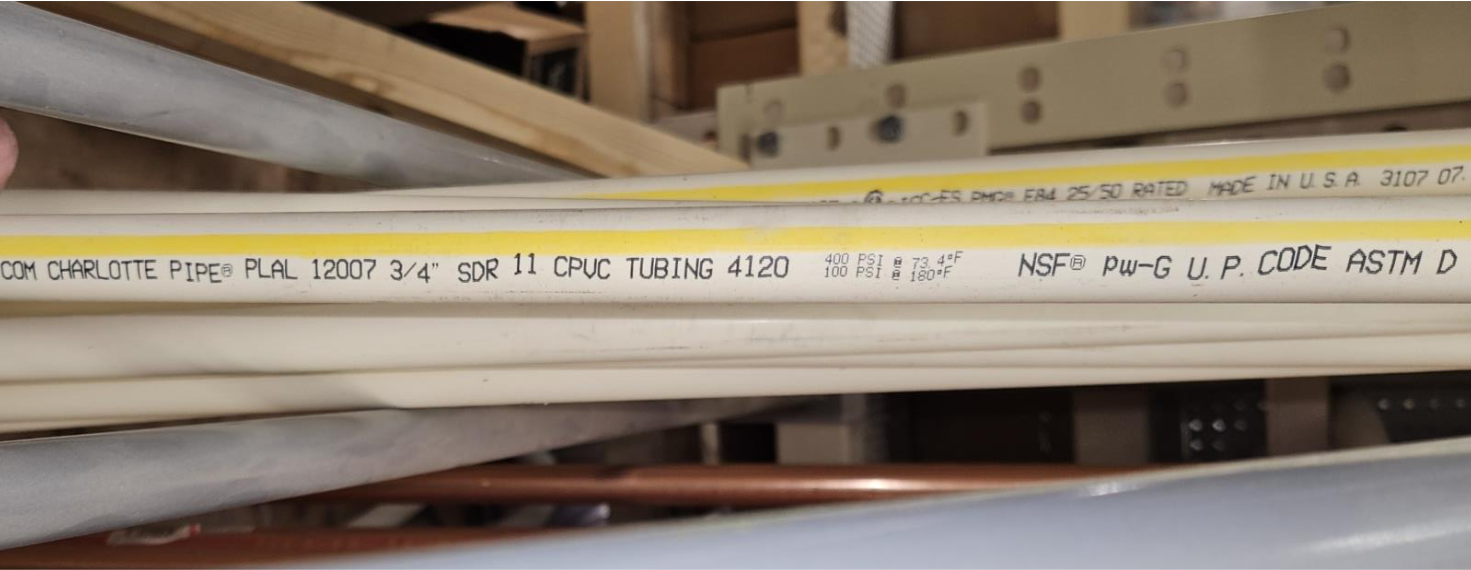
Picture of CPVC at Home Depot:
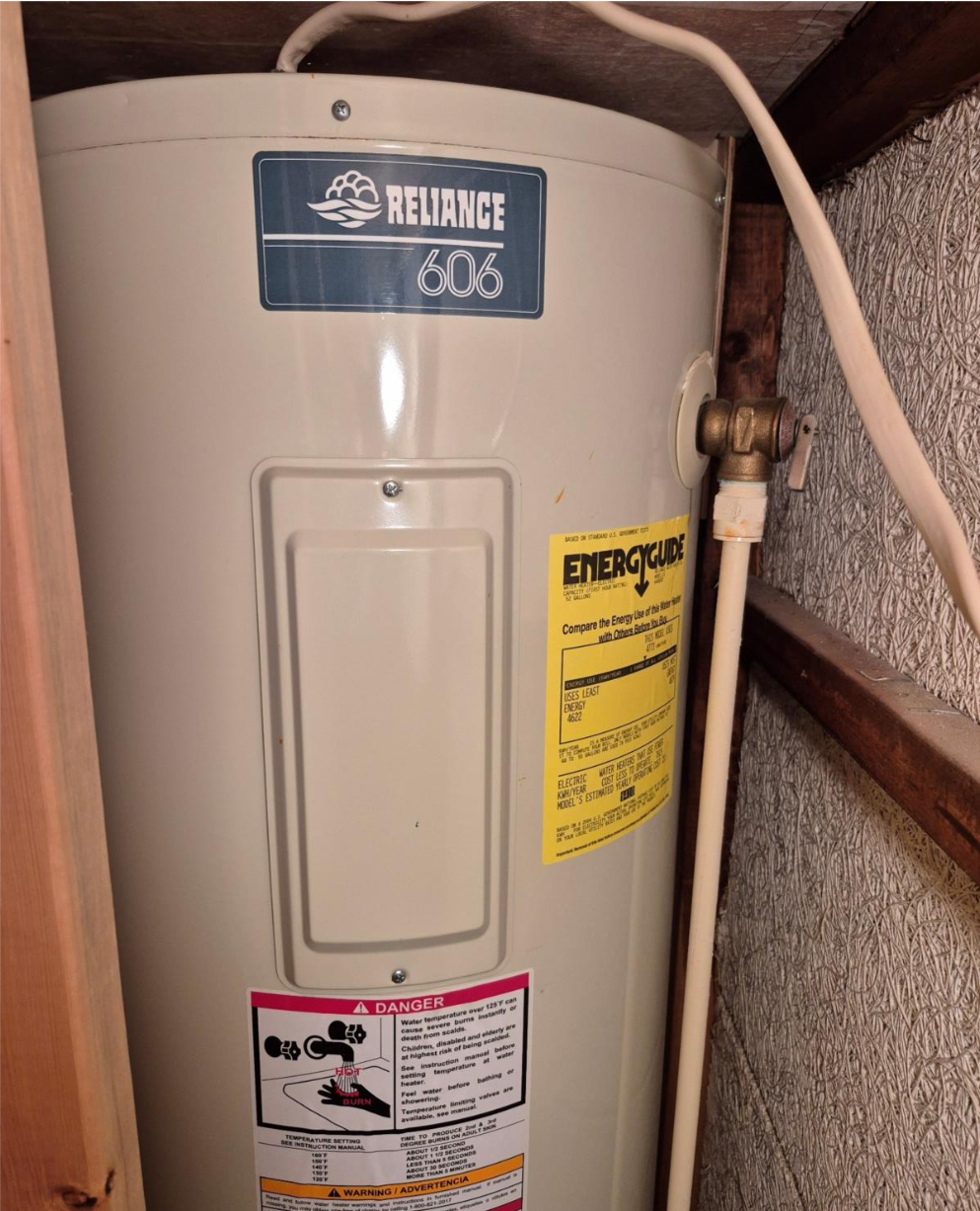
Picture of CPVC installed at the TPR Valve on a Hot Water Heater:
Professional Consultation and Due Diligence
The information presented regarding CPVC defects and concerns comes from industry-wide historical data, manufacturer warnings, and third-party laboratory findings rather than representing a definitive condemnation of all CPVC installations. Every plumbing system faces unique environmental factors and installation variables that affect performance and longevity.
Homeowners discovering CPVC in their property should consult with licensed plumbing contractors who can assess the specific conditions affecting their system. Professional evaluation should consider the age of the installation, water quality in the local municipality, evidence of chemical exposure, and overall system condition.
No plumbing material offers absolute guarantees, and all systems require monitoring and eventual replacement. However, understanding the specific vulnerabilities of CPVC allows homeowners to make informed decisions about maintenance, repairs, and potential replacement timelines.
Frequently Asked Questions
What is CPVC plumbing? CPVC (Chlorinated Polyvinyl Chloride) is a rigid plastic pipe commonly used for residential hot and cold water supply lines, especially in homes built from the 1980s through the early 2000s. It was adopted as a lower-cost alternative to copper but has known long-term vulnerabilities.
What are the most common defects found in CPVC water supply lines? The most common CPVC defects include environmental stress cracking, chemical incompatibility damage, chlorine-related degradation, heat-related brittleness, and cracking near fittings. These issues can lead to sudden leaks and premature system failure.
What is environmental stress cracking (ESC) in CPVC pipes? Environmental stress cracking is a failure mode where CPVC weakens and cracks due to contact with incompatible chemicals. The damage starts on the exterior of the pipe and progresses inward, often without visible warning before failure occurs.
What chemicals can damage CPVC plumbing? CPVC is sensitive to many common products, including fire-stop caulks, certain pipe thread sealants, termite treatments, pesticides, spray foam insulation, and some electrical wire coatings. Contact with these substances can cause softening, cracking, or pipe failure.
Why does CPVC fail over time? CPVC degrades over time due to prolonged exposure to chlorine or chloramine in municipal water and elevated water temperatures. Heat and disinfectants reduce impact strength, making the pipe brittle and more susceptible to cracking from pressure changes or vibration.
Does hot water accelerate CPVC deterioration? Yes. CPVC deteriorates faster in hot water systems, especially when water heaters are set above standard temperatures. Higher temperatures combined with chlorine exposure significantly shorten the expected service life of CPVC piping.
Are CPVC plumbing failures sudden? Yes. CPVC failures are often sudden and brittle, with little visible warning. Pipes may crack or split without prior leakage, leading to water damage.
Are there known lawsuits or manufacturing concerns with CPVC? Yes. Some CPVC manufacturers, including NIBCO, have faced litigation alleging premature cracking and leaks under normal conditions. These cases highlight documented early failures in certain CPVC systems.
How can homeowners identify CPVC pipes? CPVC pipes are typically cream, beige, or off-white and rigid. They often have “CPVC” or brand names like FlowGuard or FlowGuard Gold printed on the pipe, along with temperature ratings up to 180°F or 200°F.
How is CPVC different from PVC and PEX? CPVC is rigid and used for hot and cold water supply. PVC is typically white or gray and should not be used for hot water supply. PEX is flexible tubing, commonly red or blue, and is widely used in modern plumbing systems.
What visual signs indicate CPVC problems? Warning signs include yellowing or discoloration, hairline cracks, chalky residue, brittle appearance, chemical staining, and cracking near joints or fittings. Any of these conditions warrant professional evaluation.
Is CPVC still approved for use? CPVC is still permitted by many codes, but its use has declined. Many builders and plumbers now prefer PEX due to better flexibility, impact resistance, and long-term performance.
Should CPVC plumbing be replaced? Replacement is not automatically required, but aging CPVC systems should be closely monitored. Homes with high chlorine water, high water heater temperatures, or visible CPVC defects may benefit from proactive evaluation and replacement planning.
Who should evaluate CPVC plumbing concerns? A licensed plumber or professional home inspector should evaluate CPVC plumbing. Assessment should consider pipe age, water chemistry, temperature exposure, chemical contact, and visible defects.
Is CPVC plumbing a deal breaker when buying a home? Not necessarily. CPVC is a known risk factor rather than an automatic failure. Buyers should factor in age, condition, and potential replacement costs when making purchase decisions.
Conclusion
CPVC water supply lines have served millions of homes, but emerging evidence regarding chemical incompatibility, chlorine degradation, and temperature sensitivity deserves homeowner attention. Environmental stress cracking from common construction products, accelerated aging in certain water conditions, and documented manufacturing concerns all contribute to a complex picture of CPVC performance.
Whether purchasing a home with existing CPVC plumbing or maintaining a current system, knowledge of these potential defects empowers better decision-making. Regular inspections, awareness of chemical compatibility issues, and professional consultations provide the foundation for protecting your home investment and ensuring reliable water supply for years to come.