
Written by: Sean Struckmeyer | Tech Inspect Home Services LLC
When it gets cold outside, there’s nothing better than a warm fire on a long winter night. To safely enjoy that fire, all wood stoves and fireplaces require routine maintenance.
Maintenance is important to prevent fires, ensure wood burning efficiency and prevent issues from carbon monoxide. In this article, we’re going to discuss various maintenance items that home owners should include as part of their annual maintenance plan and other things to keep your fireplace or wood stove functioning properly.
Why Wood Stove and Fireplace Maintenance Is Critical
Failing to properly maintain a chimney can have severe financial and safety consequences, a fact clearly illustrated by annual fire safety statistics. Chimney fires are a surprisingly common occurrence, leading to millions of dollars in property damage every year. These fires often ignite due to the buildup of creosote, a highly flammable residue, inside the flue. Regular professional sweeping is the single most effective way to eliminate this dangerous material, dramatically reducing the risk of a devastating house fire. Beyond the immediate danger of fire, a well-maintained chimney is crucial for preventing the silent threat of carbon monoxide (CO). Blockages from nests, debris, or heavy soot can prevent the proper venting of combustion gases. Because CO is colorless and odorless, a blocked flue can quickly turn a cozy fireplace into a deadly source of toxic gas, making routine inspection a non-negotiable safety measure for every homeowner.
- It is estimated that over 25,000 chimney fires occur annually in the U.S., according to data from organizations like the Chimney Safety Institute of America (CSIA). This means that a chimney-related fire erupts roughly every 20-25 minutes nationwide.
- Heating equipment, including chimneys, is consistently ranked as a leading cause of residential home fires. Out of all home fires reported annually, about 6% are directly linked to chimney issues, poor maintenance, or creosote buildup.
Understanding Creosote: The Hidden Danger in Your Chimney
Creosote is a highly flammable, noxious byproduct of incomplete combustion that forms within a chimney or flue. When wood, gas, or oil burns, the smoke produced contains unburned wood particles, gases, and moisture. As this smoke travels up the cooler chimney flue, these components condense on the interior walls. This condensation process creates creosote. Essentially, it is the sticky, black, or brown residue that is left behind when the byproducts of the fire cool before they can fully exit the chimney. Delayed maintenance can cause significant creosote buildup.
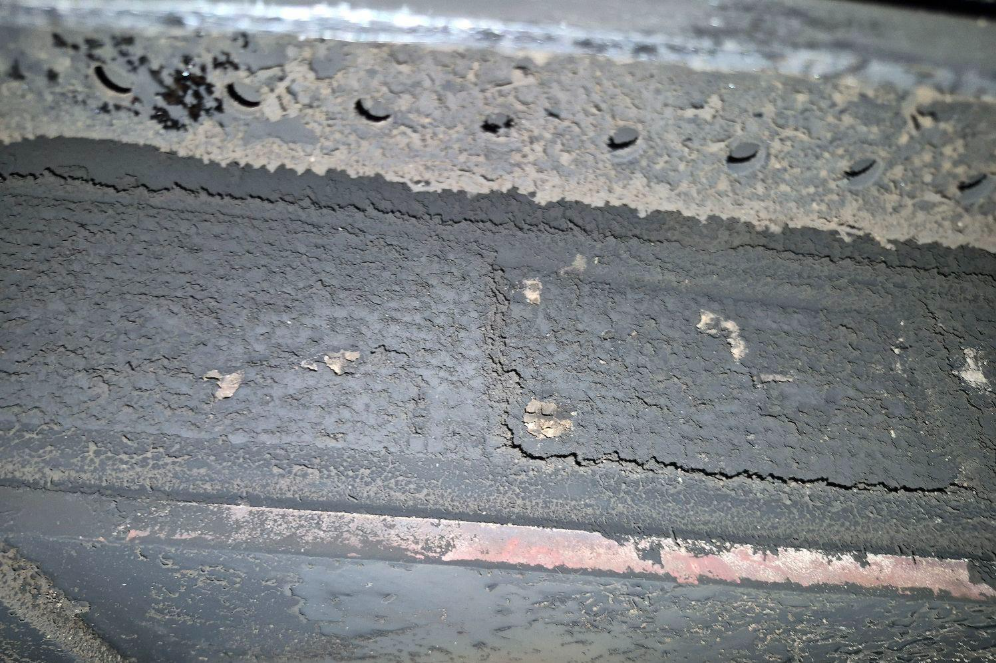
The following picture shows creosote buildup within a fireplace insert.
There are Three Stages of Creosote Buildup
Creosote deposits can vary significantly in consistency and difficulty of removal, which is often categorized into three distinct stages:
- Stage 1: Flaky Black Soot (Easy to Remove) The initial stage of creosote is typically a light, powdery, and flaky black soot. It is relatively non-adhesive and can often be easily removed by a professional chimney sweep using standard chimney brushes. While the least dangerous stage, it signals that combustion is not 100% efficient and requires attention.
- Stage 2: Tar-like, Crunchy Substance (Requires Specialized Tools) As the buildup continues, the material becomes heavier, denser, and harder. It takes on a tar-like, often crunchy or crunchy-flaky texture. This stage is much more difficult to remove than basic soot. Specialized brushes, rods, and chemicals may be required by a sweep to scrape the material from the flue liner surface.
- Stage 3: Glazed, Hardened Layer (Extremely Dangerous, May Require Liner Replacement) This is the most dangerous and difficult form to remove. The creosote has hardened into a thick, glazed, shiny, and highly flammable layer. This extreme buildup indicates severe operational issues. It is incredibly difficult to remove and often necessitate specialized chemical treatment or, in severe cases, the installation of a new flue liner, as the buildup cannot be safely or completely removed without damaging the existing structure.
Why Creosote is Dangerous
Creosote poses two major threats to the home and its occupants. First and foremost, it is highly flammable. The lower the stage, the less flammable it is, but Stage 3 creosote is essentially a solidified fuel source lining the exhaust path of your fire. A high-temperature fire can easily ignite this buildup, leading to a catastrophic chimney fire that can spread rapidly to the home’s structure. Secondly, a heavy buildup of creosote restricts airflow. This reduced draft lessens the efficiency of the heating appliance and, more critically, can lead to the dangerous back-drafting of smoke and, in the worst cases, lethal carbon monoxide into the living space.
Factors That Increase Creosote Formation
How you use your wood burning appliance can have a direct effect on how much creosote is built up:
- Burning unseasoned or wet wood: Wood with a high moisture content burns inefficiently, producing significantly more smoke, steam, and particulate matter that condense quickly in the chimney.
- Slow-burning, smoldering fires: Fires that are intentionally dampened down to burn slowly produce cooler smoke and incomplete combustion, maximizing the amount of condensed byproduct.
- Poor airflow/closed dampers: When the damper is partially closed, or air intake is restricted, the fire doesn’t get enough oxygen, leading to incomplete combustion and a smokier, cooler exhaust.
- Cool chimney temperatures: When the chimney is located on an exterior wall, or during the initial startup of a fire, the flue temperature is low. This causes the hot smoke to cool too rapidly, accelerating condensation and creosote formation.
Tip: Burning Smaller Hot fires, leads to a cleaner burning fire and thus less creosote. Another indicator of a clean fire is to look at the color of the smoke. If the smoke has a bluish tint and ‘wispy’, then the fire is burning “clean”, however if the smoke is thick and gray or white, then the fire is not burning very clean and is likely starved for oxygen.
What Does Creosote Look Like? Wood Stove Cleaning Walkthrough
In the following video, while doing maintenance on wood stove, I show, an example of creosote and what it looks like and how it can end up in the various crevices within wood burning appliance.
Weekly and Monthly Maintenance Tasks
Many of the maintenance tasks can be completed by a homeowner, however, due to the inherent risks of having a fire inside the home, never hesitate to contact a professional to fully evaluate and maintain your wood burning appliances.
Weekly Maintenance Checklist
- Remove ashes by depositing them into a metal container using a metal ash scoop and promptly take any ashes and embers outside, placing the can away from combustibles and siding.
- If there are any smoldering embers they can create Carbon monoxide, so when you clean it out, take it outside immediately to keep the home safe.
- Clean glass doors
- There are various cleaning chemicals, but depending on the amount of soot on the doors, burning a HOT fire will often clean the door.
- Check for visible soot or creosote buildup
- Inspect firebricks for damage
- If you find a damaged, cracked or broken firebrick it’s time to replace it. Firebricks serve an important purpose in protecting the firebox from the direct flames. See the video below showing a cracked firebrick.
- Keep hearth area clear (3-foot clearance minimum)
- Keep the hearth area in front of the stove clear of combustible materials and pay attention to combustible materials around the edges of any wood stoves.
- Test smoke detectors and replace batteries as needed.
- Check the damper and doors for operation
- Dampers should move freely, if they are not moving properly, it’s time to have it serviced by a professional.
- For Fireplaces with chains
- Ensure that the chains are not damaged extend to the bottom of the firebox
Monthly Maintenance Tasks
- Inspect baffle and fire blanket placement
- Check for cracks in stove body or glass
- Clean vacuum fan (if applicable)
- Test door seal (See the video below for an example of the dollar bill test method)
- Check the door gasket and seals, they may require periodic cleaning, adjustment, and or replacement.
- Inspect chimney cap for blockages
- Check for unusual odors when not in use
How to Check the Gasket on Wood Stove using a Dollar Bill
Annual Professional Inspections and Chimney Sweeping
Annual Chimney Maintenance.
In this video, a home inspector reviews an annual inspection of a wood stove chimney and inspection tips for the chimney itself.
Masonry Chimney with a Damaged Chimney Cap:
In this video, a home inspector discusses keeping an eye on and repairing masonry chimney’s as part of the annual maintenance.
Choosing and Burning the Right Wood
The single most impactful choice a homeowner can make to prevent creosote buildup and ensure a clean burn is the selection of firewood. The best wood types are seasoned hardwoods such as oak, maple, ash, and hickory. These woods are dense, burn hotter and slower, and produce less smoke and creosote compared to softer woods like pine or fir. Hard woods can take up to 2 full years to fully season. The more sun and air that wood is exposed to and the smaller the splits, the faster it will dry. Burning wood with a higher moisture level wastes energy, as the fire’s heat is consumed boiling the water out of the log, leading to excessive smoke and creosote. The most accurate way to verify dryness is to split a piece and measure the freshly split surface with a moisture probe.
Proper Storage and What to Never Burn
- Proper storage is key to achieving that essential low moisture content. Firewood should be stacked off the ground (on pallets or sleepers) and covered with a shed roof or a tarp over the top layer only. Leaving the sides open allows wind and sun to air-dry the wood efficiently.
- Equally important is knowing what materials should NEVER be burned in a fireplace or wood stove, as they release toxic fumes and corrosive chemicals, and significantly increase fire risk:
- Treated lumber, Plywood, Particle Board, and Painted/Stained Wood: These manufactured woods contain chemicals, glues, and resins that release highly toxic gases (like arsenic and formaldehyde) when burned.
- Trash, Plastic, or Cardboard: Burning household waste releases dangerous toxins, creates excessive smoke and soot, and is environmentally hazardous.
- “Green” or Wet Wood: As mentioned, high moisture content leads to smoky, inefficient fires and major creosote buildup.
- Driftwood: Driftwood has absorbed salt from the ocean or lakes, and burning it releases corrosive salt and chlorine that can damage the fireplace and chimney liner.
- Christmas Trees: Evergreen wood contains high levels of flammable resin that can quickly cause an intense chimney fire.
Building Safe and Efficient Fires
The method of building a fire directly influences its safety and cleanliness. The goal is to build small, hot fires that burn quickly and completely, rather than large, smoldering fires that produce excessive, cool smoke and maximize creosote formation. Start the fire safely using crumpled newspaper and dry kindling (small twigs and sticks). Never use liquid fire accelerants like lighter fluid or gasoline, as they can cause dangerous flare-ups and release unsafe vapors. Once the kindling is lit, gradually add split logs, stacking them to allow plenty of air circulation (like a loose log cabin or teepee). Maintain a steady flame and avoid choking the fire by closing the damper too early. By ensuring the fire is hot and clean, you minimize the risk of fire and maximize the warmth for your home.
Wood Stove Safety Best Practices
- Maintain Proper clearances from combustible materials (36 inches minimum)
- Install heat shields if needed
- Never leaving fires unattended
- Keeping children and pets at safe distances, use gates to prevent ready access to the wood burning appliance.
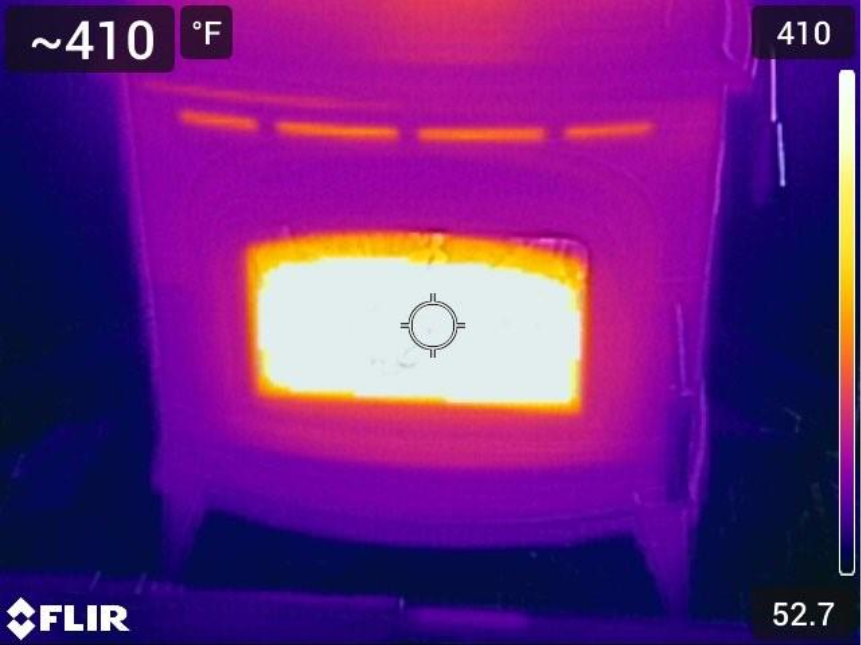
- Remember, wood stoves are essentially space heaters that work by radiating heat, therefore the outside of the appliance gets very hot and could burn a small child if they fell into it or touched it.
- Use dampers properly, don’t starve the fire of oxygen, keep it burning clean.
- Keep a Fire extinguisher in the same room as the stove
- A Carbon monoxide detector should be located in the same room as the stove.
Signs You Need Immediate Professional Help
Red Flag Checklist:
- Visible cracks in chimney or stove
- Water leaks or staining
- Pieces of chimney liner falling into firebox
- Excessive creosote buildup (thick, glossy appearance)
- Strong persistent odors
- Smoke backing up into home
- Animals or nests in chimney
- Warped or damaged stove components
- Recent chimney fire (even small ones)
Video Example of Cracked / Damaged Firebricks:
Frequently Asked Questions
- How often should I have my chimney cleaned? The chimney should be cleaned every year.
- Can I clean my chimney myself? It depends on your chimney, skill level and comfort climbing ladders. When in doubt, it’s best to hire a professional sweep.
- How long does firewood need to season? Hard woods can take up to 2 years to completely dry and softwoods up to a year. Softwoods are more susceptible to absorbing water if rained on, so it’s important to keep them covered.
- Do I need a chimney cap? Yes, a Chimney cap should be remain installed all year long, this prevents rainwater from entering the chimney and causing damage.
- Where’s the best place to store firewood? Off the ground using a rack or pallets and covered. Do not store firewood against the house and only bring wood into the house to feed the fire. Leaving wood in the house can bring pests and bugs (like termites and beetles into the home).
Conclusion
Your wood stove or fireplace is more than just a source of warmth, it’s a responsibility that demands respect and regular attention. The statistics are real: with over 25,000 chimney fires occurring annually in the United States, the difference between a cozy winter evening and a devastating tragedy often comes down to maintenance. From weekly ash removal and glass cleaning to annual professional inspections and chimney sweeping, every task outlined in this guide plays a vital role in protecting your home and family. Remember that burning properly seasoned hardwood in small, hot fires dramatically reduces creosote buildup, while knowing what never to burn prevents toxic exposure and structural damage. Whether you’re tackling monthly gasket checks yourself or scheduling your yearly chimney sweep, consistency is key. Don’t wait for warning signs like smoke backing into your home or persistent odors, establish your maintenance routine today. Your vigilance not only ensures efficient heating and lower fuel costs but, most importantly, provides the peace of mind that comes with knowing your family is safe from the silent threats of chimney fires and carbon monoxide poisoning.