
Top 5 Common Home Inspection Issues in 2025
Written by: Sean Struckmeyer | Tech Inspect Home Services LLC
I reviewed the Inspections completed in 2025 by Tech Inspect Home Services LLC, assembling some statistics and a summary of the most common issues or defects encountered.
On average, for each inspected property, Tech Inspect found 14.3 maintenance items, 41.5 defects, and 4.5 major concerns (which includes health & safety issues and other major issues in the home). That equates to 60.3 items per property that need to be addressed and creates significant opportunity for the buyer to negotiate or walk. That creates a lot of reasons why a home buyer should never skip the inspection or why the seller should schedule a pre-listing inspection so there aren’t any surprises during the option period on the contract or at close.
While each property is different and will have its own set of maintenance needs and defects, there were 5 common defects encountered during the year’s inspections. In this article, I outline what those are, why they are an issue and what a common solution may look like. If you’re considering buying a home in 2026, this article can help give you some idea of what could be found during your inspection.
TL;DR – Top 5 Home Inspection Issues Found in 2025
Homes inspected by Tech Inspect in 2025 averaged 60 issues per property. These five showed up most often:
- Missing or faulty GFCI outlets: GFCIs protect people from electrical shock, not just fires. Common in pre-1980s homes and incomplete renovations. Fix: have a licensed electrician install or replace them (~$50/outlet).
- Bathroom exhaust fans venting into the attic: Code requires fans to exhaust to the exterior. Venting into an attic introduces moisture that leads directly to mold growth. Fix: route ductwork through the soffit, roof, or gable with insulated, fully sealed pipe.
- Exposed roof fasteners: Unsealed nails on ridge caps and vent flashings let water slowly infiltrate the roof deck and attic over time. Fix: seal with roofing caulk annually; expect to reapply every 5–10 years.
- Flashing defects: Failed flashing around chimneys, vent pipes, and skylights creates a direct water entry path into the structure. Fix: professional repair, correct installation typically requires removing shingles or siding.
- Downspouts discharging too close to the foundation: A 2,000 sq. ft. roof sheds roughly 1,200 gallons per inch of rainfall. Concentrated at the foundation, that causes soil erosion, settling, and basement water intrusion. Fix: extend downspouts at least 4–6 feet from the foundation using corrugated pipe (~$10 for 10 ft.).
Bottom line: Most of these are inexpensive to fix, but left unaddressed, each one can cause thousands of dollars in structural damage over time.
1. Missing GFCI Outlets or Improperly Wired: A Critical Safety Hazard
The Problem and Why It Matters
A GFCI (Ground Fault Circuit Interrupter) is a fast-acting safety device designed to protect people from severe or fatal electrical shocks.
While a standard circuit breaker is designed to protect your house from fires (by tripping when wires get too hot), a GFCI is designed to protect your body by cutting power the instant it detects electricity “leaking” where it shouldn’t.
If a GFCI is missing, improperly wired or installed, or simply won’t trip and reset, then the device isn’t providing any safety protection.
The NEC (National Electrical Code) is regularly updated every couple of years. Homes are built at a point in time to the electric code in place at the time it was built. This means a particular home’s electrical system may not fully line up to current electrical codes. An example of this is the increasing requirement for GFCI (ground fault circuit interrupters) and AFCI (arc-fault circuit interrupters) protections in various parts of the home.

Missing GFCI’s are Common:
This is common in older homes (pre-1980s) and incomplete renovations. This presents the homeowner with an opportunity to have the home updated to current building standards by having GFCI’s installed in the ‘now’ required locations. This work can be more easily accomplished prior to moving into the home by a licensed electrician.
Incorrectly Wired GFCI’s:
The most common scenario encountered was GFCI’s with open ground. This can be caused by a few issues, and it is often dependent on the age of the home. For example, if your home has old “two-prong” style wiring (only Hot and Neutral), you cannot “fix” the open ground without running brand-new wires to the panel. However, the National Electrical Code (NEC) allows you to use a GFCI here because it still provides life-saving shock protection. Whereas, If your house was built after the mid-1960s, it should have a dedicated ground wire (bare copper or green). An “Open Ground” reading usually means a connection has come loose. Either way, consulting with an electrician should be the priority if any issues were discovered during the inspection concerning GFCI’s or any other wiring issues.
Testing GFCI’s:
Another common issue encountered is that the GFCI doesn’t trip or reset. If the GFCI fails to trip or reset, either with the test or the test button on the outlet itself, then it’s best to have that outlet immediately replaced by an electrician. If the outlet itself doesn’t work when tested, it may be defective, and the best course of action is to replace them. They only cost about $50 each from Home Depot. The homeowner should think of these like any other mechanical item that can wear out over time and should be replaced accordingly.
2. Improperly Vented Bathroom Exhaust Fans
What Goes Wrong
Whenever a bathroom exhaust fan is used to vent out the ‘steam’ from a hot shower, it is pulling all that moisture from the bathroom. If the fan is not exhausted to the outside can lead to mold growth or other moisture related issues dependent upon where the fan exhausts to.
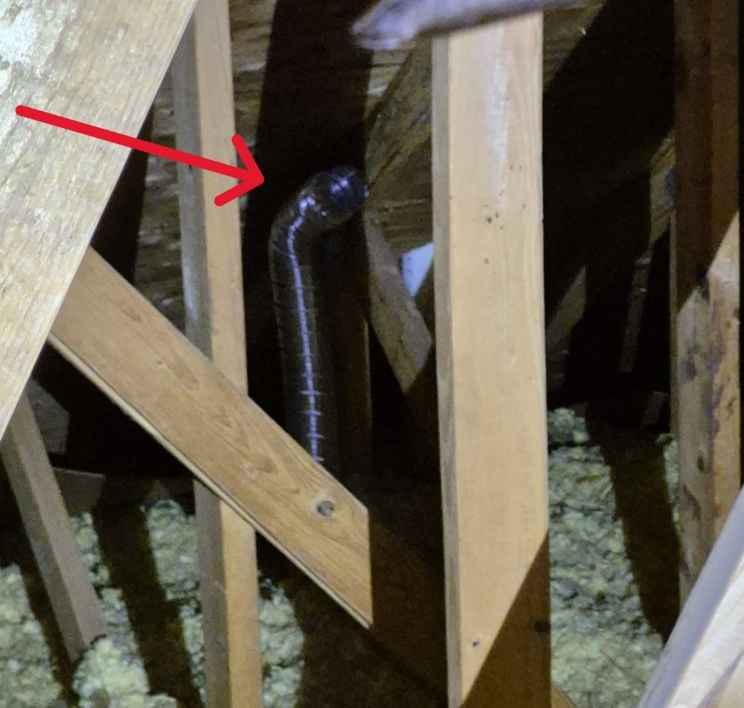
A real example of this encountered in 2025 was a bathroom exhaust fan that had no ductwork, it was venting directly into the unconditioned attic which led to mold growth.
Exhaust air from bathrooms, toilet rooms, water closet compartments, and other similar rooms shall not be:
- exhausted into an attic, soffit, ridge vent, crawlspace, or other areas inside the building; or
- recirculated within a residence or to another dwelling unit.
Example of an Incorrect Installation where the exhaust duct terminated in the attic:
The Correct Solution
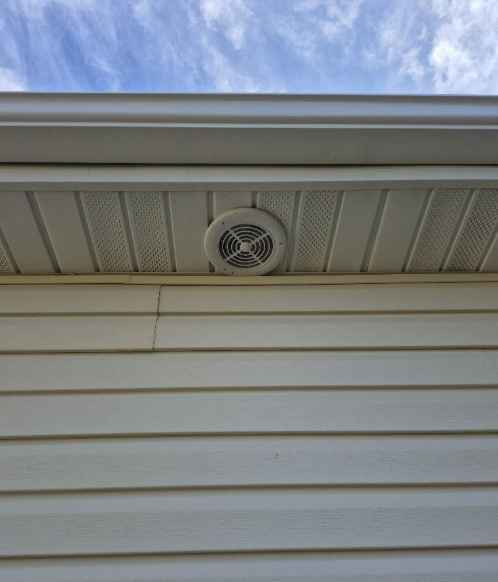
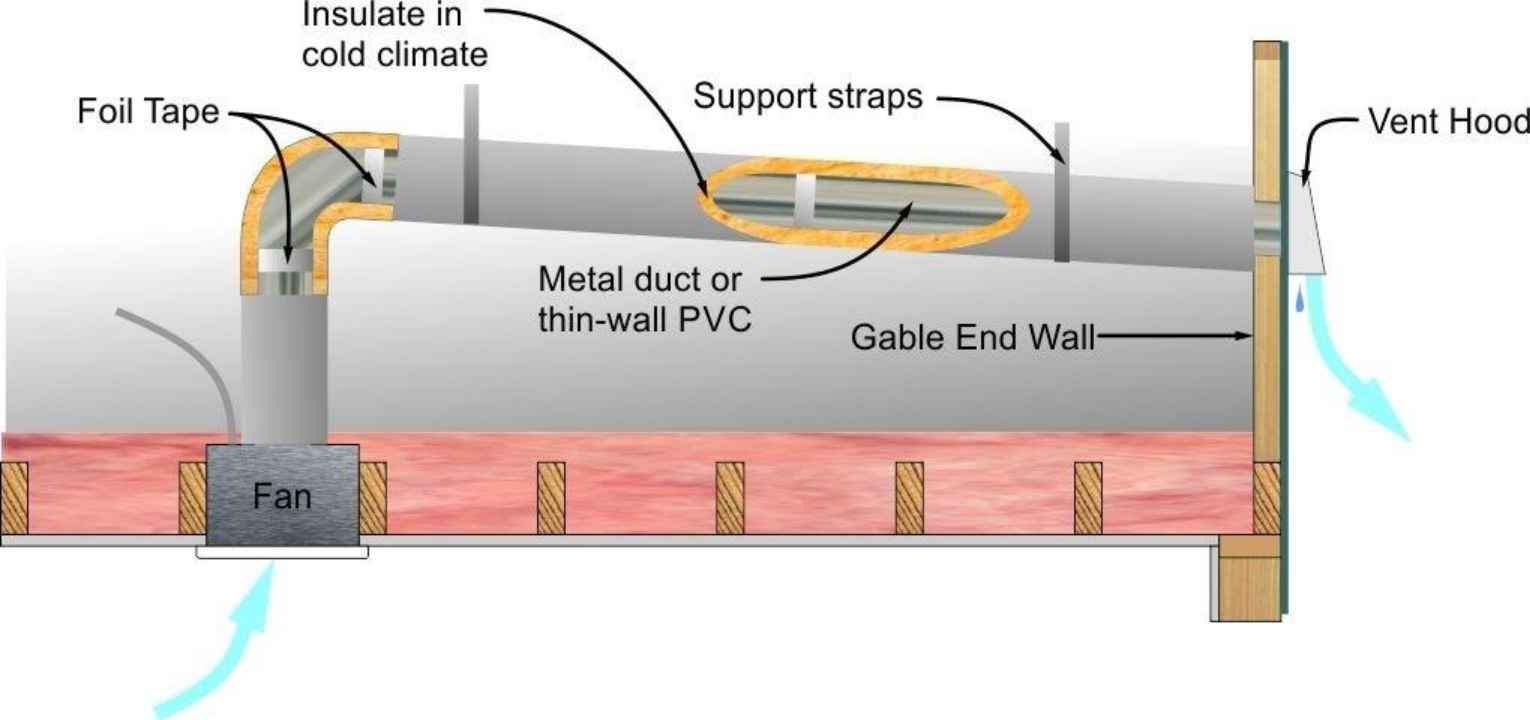
There are multiple acceptable configurations for exhausting a fan to the exterior of the home (see below diagrams for some examples). It’s important that any installation has all the ductwork completely sealed and that the pipe is insulated. This prevents condensation forming on the pipe and/or conditioned/humid air from entering the unconditioned space. Ultimately, you will probably need help from a contractor or professional handyman to install a fan and route it to the exterior of the home correctly. This may require removal of shingles or siding to install it correctly.
Example of an Exhaust Fan Properly Terminating through the Soffit:
Example Diagram of Exhaust Fan Venting through the Gable:
3. Exposed Roof Fasteners: A Leak Waiting to Happen
Understanding the Issue
In Missouri, the most common roofing material used is asphalt shingles. This article will reference shingles and exposed nails in that context as that is what is commonly found.
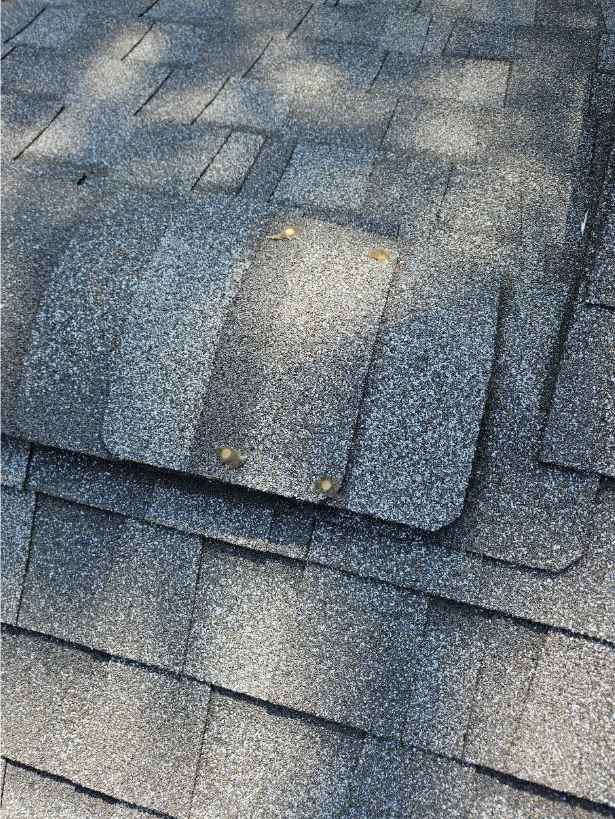
Each shingle is ‘nailed down’ to the roof sheathing or decking and then the nails are overlapped with the next course so that they are not exposed to the elements and to allow water to “sheds” off the roofing material towards the gutters. There are a few common spots that the nails are often exposed out of necessity when installing the roofing material. A common example of this is the starting or ending shingles on the ridge cap. There really is no way to ‘cover’ the nails on this shingle due to the direction of installation. So, they need to be properly sealed or caulked.
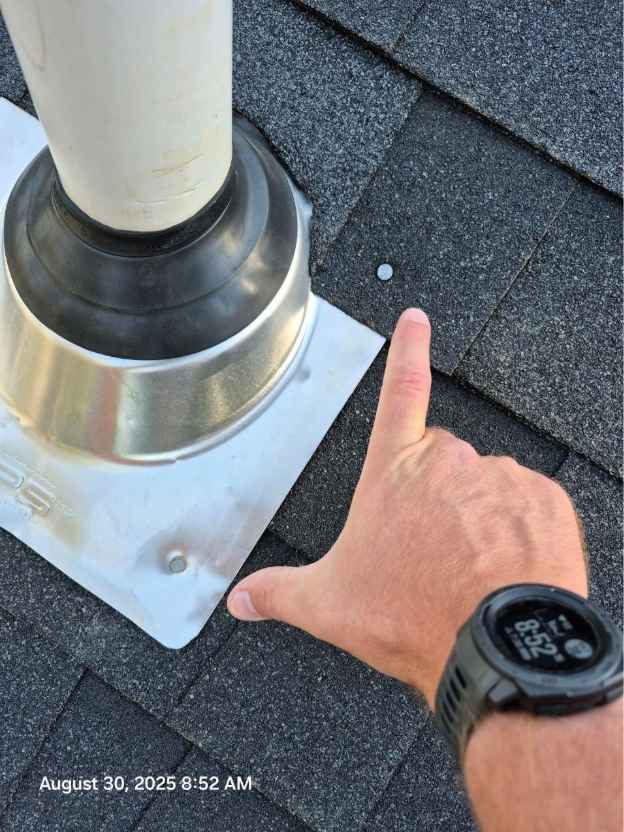
The problem starts when the roofing nails are left unsealed or uncovered. This creates an entry path for water to access the building materials underneath the shingles. While each individual nail that is exposed may not let a tremendous amount of water in, it does allow water in, and over many years, and a lot of rain, this can damage the sheathing material, rafters, or allow mold to begin growing in the attic. While there aren’t big roof leaks, they are still roof leaks, and over time if left unchecked, can lead to significant damage.
Roofing Nails are galvanized so that they can withstand the elements for longer. In other words, they are galvanized to prevent corrosion. If you see a rusted nail, then it’s been exposed to the elements for quite some time. The attic and trusses or rafters should be checked for damage at this point. If a galvanized nail has been left unprotected to the point where it’s rusted, then water has had ample time to enter the structure and potentially cause damage.
Example of properly Caulked Fasteners on a Ridge Cap:
Example of Exposed Fasteners on the DWV Flashing in a New Construction (Yes, even new construction homes can have issues like this)
Repairs and Prevention
- Caulking Any Exposed Nails
- Do a yearly check on sealed nails and re-applying sealant as needed.
- Annual Roof inspections recommended
- Expected lifespan of caulking or sealant: 5-10 years
Video Example of a Roof with a Significant Number of Exposed Fasteners:
4. Flashing Defects
Common Flashing Problems
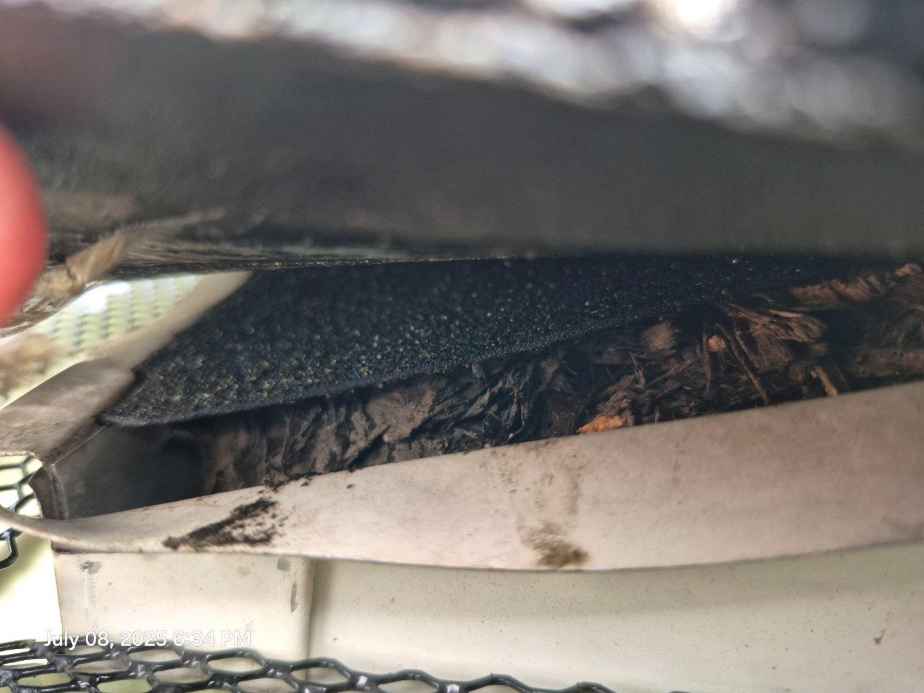
There are several types of flashing used on a home. Particularly, anything that penetrates a roofs sheathing must be flashed. Flashing creates a barrier to help direct water away from the opening in the home’s exterior. Roof penetration flashing is a waterproof barrier, typically metal, rubber, or plastic, that is installed around items protruding through a roof (pipes, vents, chimneys, HVAC units) to seal gaps and redirect water away from these vulnerable, high-leak-risk areas. It ensures that joints remain watertight despite structural movement.
Consider that if the flashing fails, then water has a direct entry path into either the attic space, or deeper into the home or both. This can quickly allow significant amounts of water to enter a home’s structure and cause damage.
For Example, in this video, I conduct an experiment on a damaged vent pipe boot and show how much water can get through even a small hole.
Common Flashing Defects are:
- Defects around chimneys, vent pipes, skylights, HVAC units
- Missing or improperly installed flashing
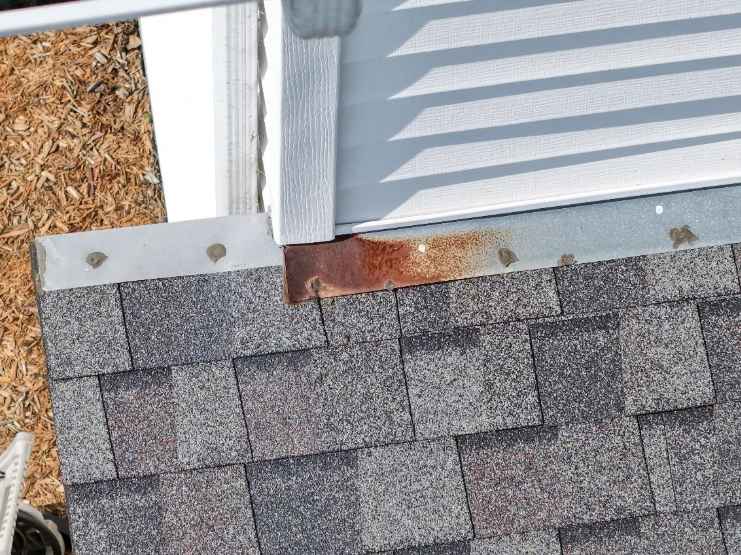
- Deteriorated sealant or corroded metal
Example of Missing Drip Edge Flashing at the Gutters and Subsequent Rotted Sheathing:
Example of Corroded Flashing:
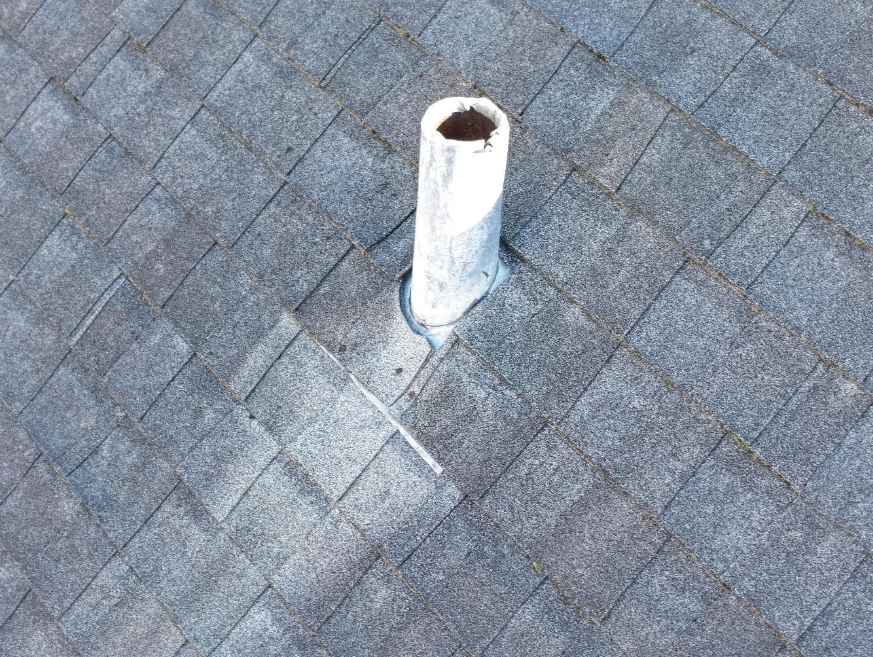
Example of an Incorrect DWV Installation with exposed nails, shingles overlapping the flashing and missing sealant around the flashing the pipe:
Professional Repair Needed
- Generally installing flashing properly may require the removal of shingles or siding. This should be completed by a qualified professional.
- Annual Inspections can find problems with flashing early, before they become major issues.
- Watch for rust, excessive caulking (temporary fixes), or water stains in attic
- If you find damage to the flashing, it’s time to thoroughly inspect the attic space.
5. Gutter Downspouts Discharging Too Close to the Foundation
Why this is a problem
The job of gutters and downspouts is to manage water and deposit it away from the home. If the downspouts terminate directly next to the foundation of the home, then they are depositing a significant amount of water each time it rains. To illustrate this point, A 2,000 sq ft roof discharges approximately 1,200 to 1,246 gallons of water for every 1 inch of rainfall. A normal ranch style house usually has 5 – 6 downspouts. If we assume the water is equally dispersed across the downspouts, then each downspout is discharging approximately 200 gallons of water for each inch of rainfall. The average rainfall in Wentzville, Missouri is 43 inches of rain per year. That could be 8,600 gallons of water is being deposited right next to your home’s foundation at each downspout, year over year. Do you think the soil or foundation can take that much water? I don’t…..
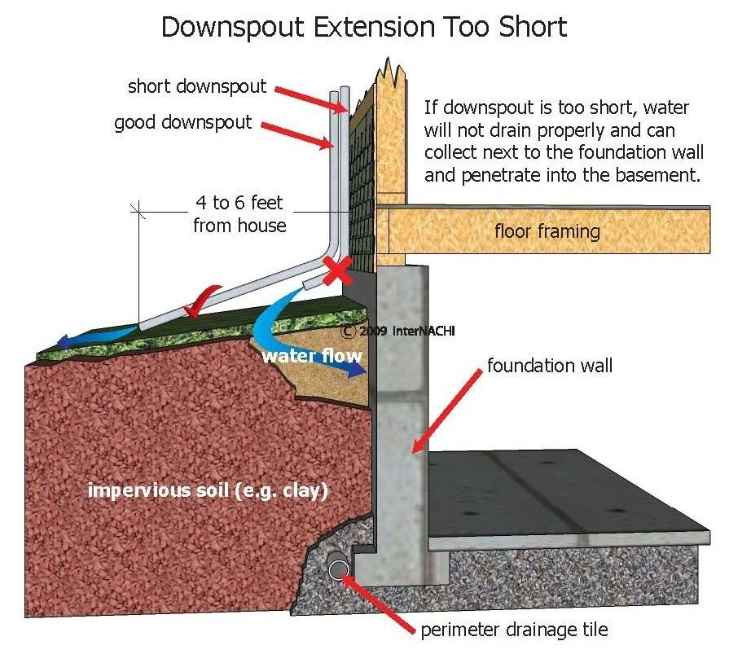
Downspouts should be discharged 4-6 feet away from the home’s foundation. Otherwise, the water may not be able to drain correctly, and this can lead to structural issues, flooded basements, and other types of damage to the home.
Have you driven past a house and noticed that the front porch was sinking? Notice where the downspouts were? That’s probably the culprit. Water can erode the soil underneath a structure and cause settling over time.
Something that all homeowners in the St. Charles County Missouri area should be aware of, especially if you’re buying a new construction home, such as the ones being built in the new subdivision, is that I very often see from the road that the downspouts should be extended. They are all discharged right next to the foundation, and over time this will cause significant problems!
This diagram from InterNACHI illustrates why downspouts should be extended:
Simple Fix with Big Impact
The solution to this is very straight forward and there are several solutions to fix this problem. Every homeowner could employ any of these solutions to prevent big problems with their home.
Solution 1: Extend the downspout away from the home using corrugate pipe available from stores like Home Depot. This is the most cost effective solution at $10 for 10 feet of pipe. For a short-term solution, the pipe can be ran on top of the ground.
Solution 2: install a French Drain. This can also be a cost-effective DIY solution or done by a professional. Checkout our blog post on the topic:
https://www.techinspecthome.com/why-every-homeowner-should-know-about-french-drains/
Solution 3: Hire a professional landscaper to extend the gutters and ensure proper site drainage.
This common, easy to fix issue can cause thousands of dollars’ worth of damage to the home. It can cause settling, foundation cracks which can then allow water into the home, or if building materials are too close to grade, they can become damaged by the excess water being discharged into that location. Remember, water follows the path of least resistance, and if you give it a place and direction to go, it will follow that path.
Example of a Defect Card from an Inspection Report:

Second Example of a Defect Card from an Inspection Report:

What This Means for Buyers and Sellers
For Buyers
The most common repairs are usually easy to fix and may not cost a lot to repair or remediate. However, if left unattended long enough, they may have also caused significant damage to the home. A complete home inspection will assist in evaluating the entire structure. While a single defect may seem trivial, it can cause lasting and expensive repair issues. If these issues were flagged on your inspection report, fixing them should be a priority in your home maintenance plan.
For Sellers
The most common repairs are usually easy to fix and may not cost a lot to repair or remediate. Fixing these can lower the defect count and increase your marketability and value with little upfront cost. This helps show responsible home maintenance and can lead to fewer issues with negotiating post inspection.
Conclusion
Tech Inspect Home Services found that homes inspected in 2025 averaged 60.3 issues per property, including maintenance items, defects, and major safety concerns. The five most common problems were missing or improperly wired GFCI outlets (critical for electrical shock prevention), bathroom exhaust fans venting into attics instead of outdoors (causing mold growth), exposed roof fasteners that allow water infiltration and eventual structural damage, defective flashing around roof penetrations like chimneys and vent pipes (creating direct water entry paths), and gutter downspouts discharging too close to foundations (potentially causing settling and basement flooding). While many of these issues are relatively inexpensive to fix, such as extending downspouts with corrugated pipes for around $10. Some of the common defects can lead to thousands of dollars in damage if left unaddressed, making professional home inspections essential for buyers and proactive repairs valuable for sellers or homeowners in general.
Schedule your Home Inspection or Annual Maintenance Inspection Today!