Does a Sump Pump Mean the Basement Floods?

You're touring a house you like, and in the corner of the basement floor there's a round pit with a pipe running up the wall. It's a sump pump, and now you're wondering if this basement floods every time it rains.
Take a breath. If you're buying a house with a sump pump, the pump itself usually isn't the worry. Lots of homes have one because that's how the foundation drainage was designed. It does mean water around the foundation needs managing, and with a short inspection window, you'll want to know how well that's going while there's still time to negotiate.
A sump pump doesn't mean a basement floods. A sump pump sits in a pit in the basement floor, collects groundwater from the drains around the foundation, and pumps it outside. Building codes allow foundation drains to empty by gravity or by mechanical means, so in many homes the sump pump is part of the original design. During a home inspection, the more useful clues are signs of past water in the basement, whether the pump operates, and where it discharges.
Why do houses have sump pumps?
Most basements have a drain around the footing, usually perforated pipe or drain tile set in gravel, that collects groundwater before it builds up against the walls. The International Residential Code (IRC Section R405.1) calls for these drains around concrete and masonry foundations that hold back soil and enclose living or usable space below grade, with an exception for well-drained soils.
That water can leave by gravity or by mechanical means. When there's no downhill route for a pipe to daylight, the drains empty into a pit in the basement floor, and a pump pushes the water outside. In a lot of homes, the sump pit was part of the plan from day one, and a pump that runs after a heavy rain is doing its job.

Does a sump pump mean water problems?
No, not necessarily. It tells you there's groundwater to manage, or it was installed during construction as a preventative measure. To determine if there are water problems, we need to look at the rest of the basement and the exterior.
Was it added later? A pit in a patch of newer concrete, or a channel cut along the base of the walls, usually means drainage was added after the house was built. Sometimes that's for a basement finish, and sometimes it's because of water. Have your agent ask the seller why, and whether there's a warranty.
Signs of past water. You can look for these at your showing:
White, chalky deposits on the walls (efflorescence, the minerals left behind when water moves through concrete or masonry)
Stains or water lines on walls, stored boxes, or the bottom edge of drywall
Rust on the feet of shelving or anything metal sitting on the floor
A musty smell, or a dehumidifier working overtime
Fresh paint low on the walls, or newer flooring in just one spot
None of these prove a current problem, but each is worth asking about.
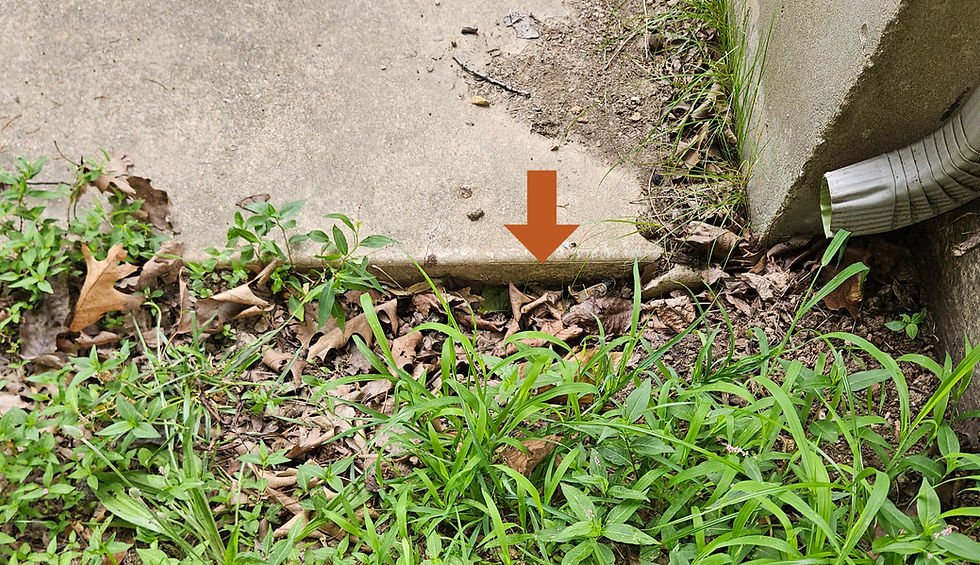
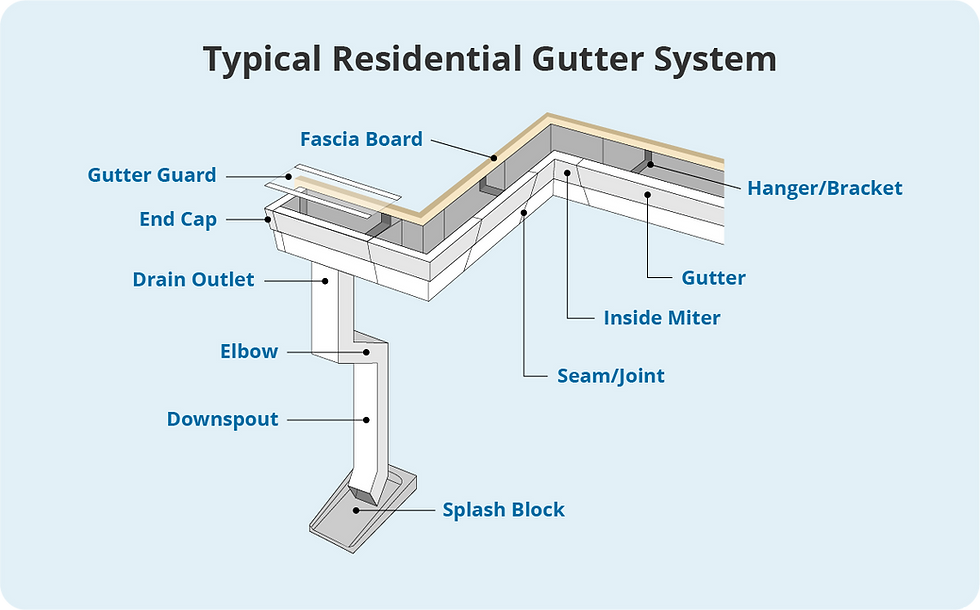
The outside matters too. Overflowing gutters, downspouts dumping at the foundation, and soil sloping toward the house all mean more work for the pump. More on that in Let's Talk About Gutters.
What does a home inspector look for during a sump pump inspection?
The InterNACHI Standards of Practice we follow call for inspecting drainage sump pumps with accessible floats and reporting observed signs of active water penetration. That includes:
Does it turn on? If the float is accessible, we check that the pump kicks on.
The lid. A missing lid lets debris fall in and jam the float, and an open pit is a hazard for kids and pets. EPA guidance also notes that uncovered or poorly sealed sumps can let radon and other soil gases into the basement.
The discharge. We follow the pipe outside. If it empties right next to the foundation, that water can soak back to the footing drains and cycle right back into the pit.
The connection. Many cities and sewer districts prohibit tying a sump pump into the sanitary sewer. On septic properties, the EPA recommends keeping sump discharge away from the drainfield, since extra water slows down or stops treatment.
Power. We note how it's powered, like an extension cord running to the outlet.
Our guidance is to give anything that manages water attention sooner, since water can damage a home quickly when it's left unchecked. How you prioritize is your call, and negotiating is between you and your agent.
What can't a home inspection tell you about a sump pump?
An inspection is a snapshot of one day. A dry pit on an August afternoon doesn't tell you what happens during a week of spring rain. The Standards of Practice don't require inspectors to predict future conditions, and we don't guess at how many years a pump has left. It's a motor and a switch, and it'll need replacing eventually.
The seller's history fills those gaps. The seller's disclosure statement commonly used in Missouri asks about dampness, leakage, or water accumulation in the basement or crawlspace, and about past attempts to control it. Your agent can follow up with:
How often does the pump run, and how old is it?
Has water ever reached the floor, including during a power outage?
Was waterproofing done, and does the warranty transfer?
What else should you sort out before closing?
Insurance. Standard homeowners policies typically don't cover damage from a failed sump pump or water backup unless you add a water backup endorsement, and flood insurance is separate. Ask your insurance agent exactly what's covered. Near the Missouri River or a creek? A sump pump handles groundwater around the foundation. It isn't built to hold back floodwater.
Backup power. The pump needs electricity, and storms are a common cause of outages. Options include battery backup pumps and water-powered backups, and some have alarms that alert your phone. Water-powered backups run on city water pressure, so manufacturers note they won't work during an outage at a home on a private well.
Radon. The pit opens into the soil under the house, and some radon mitigation systems use a sealed sump pit as their suction point. Here's how to tell if a radon mitigation system is working, and radon testing is one of our additional inspection services.
See how we document it
A sump pump is one piece of the home's water management system, and whether it's doing its job comes down to the whole picture. To see how we document that, click through one of our three full sample reports just like a client would, then see everything inside a Tech Inspect report.
Worried about the basement in a home you're buying? Schedule your inspection, tell us about it when you book, and we'll give it extra attention. Same-week availability, weekend appointments, and a report delivered within 24 hours.
Frequently asked questions
Should I worry about buying a house with a sump pump? Not because of the pump alone. Many homes have a sump pump as part of their original foundation drainage. Look for signs of past water in the basement, check where the pump discharges, and ask the seller how often it runs and whether water has ever reached the floor.
Does a sump pump mean the basement has water problems? No. A sump pump means groundwater around the foundation is being collected and pumped out. Efflorescence, staining, musty odors, or a drainage system added after construction are better clues that a basement has had water in the past.
Does a home inspector test the sump pump? Under the InterNACHI Standards of Practice, home inspectors inspect drainage sump pumps that have accessible floats. If the float can't be reached, the pump may not be tested. An inspection is a one-day snapshot and can't predict how the pump will perform in future storms.
Where should a sump pump discharge? Outside and away from the foundation, to a location your local rules allow. Many cities and sewer districts prohibit connecting a sump pump to the sanitary sewer, and the EPA recommends keeping sump discharge away from a septic drainfield.
Does homeowners insurance cover sump pump failure? Usually not under a standard policy. Damage from a failed sump pump or water backup typically requires a water backup endorsement, and flood insurance is a separate policy. Confirm your coverage with your insurance agent before closing.
Is every pit in a basement floor a sump pump? No. A basement bathroom or laundry below the sewer line may drain to a sewage ejector pit, which handles wastewater and typically has a sealed lid and a vent pipe. A sealed sump lid with a pipe and fan can also be part of a radon mitigation system.
Tech Inspect Home Services LLC · 3580 Highway T, Marthasville, MO 63357 · 636-201-6366 · sean@techinspecthome.com