The First-Year Home Maintenance Blueprint: What to Do After the Inspector Leaves


You closed on the house, the keys are yours, and the inspection report is sitting in your inbox. First off, congratulations on your new home!
So now what to do with that inspection report?
The report captured the condition of the home on the day we inspected it. Keeping the house in that shape, or improving it, is the next job, and now it belongs to you. The good part is that most home maintenance is predictable. It runs on the seasons, and once you settle into a rhythm, it becomes a handful of small habits instead of one giant, intimidating list.
We hand every client a short move-in maintenance list with their report for a reason: the weeks right after closing, before the furniture arrives and life fills back in, are the easiest time to knock out the tasks that get harder once you're settled. Start there, then keep a seasonal rhythm going, and the house stays ahead of you instead of the other way around.
In the first year of owning a home, start with a short list of move-in tasks, then settle into a repeating seasonal routine. In the first few weeks, put fresh batteries in every smoke and carbon monoxide alarm, change the HVAC filter, test the water heater's relief valve (TPR), clean the gutters and the dryer vent, and schedule an HVAC tune-up. After that, work with the seasons: service the heating before winter and the cooling before summer, clean gutters in spring and fall, flush the water heater about once a year, and stay on top of anything that manages water around the home.
Why does the first year matter so much for maintenance?
An inspection report is a snapshot. It tells you what the home looked like on one day, from the roof to the foundation, with the defects, safety items, and maintenance needs documented and prioritized. What it can't do is keep the home in that shape for you. That part is ongoing, and it's where a lot of new owners lose ground without realizing it.
Most of the expensive problems we find during inspections didn't start expensive. They started as something small that managed water poorly or went too long without attention. A gutter that stayed clogged. A missing bead of caulk. A filter that never got changed until the system iced up. Water is almost always the common thread, which is why so much of maintenance comes back to keeping water moving away from the house and catching small issues before they grow.
Your report is the starting point for all of this. Before you do anything else, read it in full and turn the findings into a simple plan: what needs attention now, what can wait, and what you'll want to budget for down the road. We include a planning template and the InterNACHI life-expectancy chart with every report so you can map out when major components are likely to need replacing. You can grab those on our resources page.
What should you do in the first few weeks, before you unpack?
Some of the tasks below are much easier before the house is full of furniture and boxes. If you can take possession a little ahead of your move, use that window. Here's what we recommend, grouped by the part of the home it touches.
Safety and the basics
Put fresh batteries in every smoke and carbon monoxide alarm. You have no idea how old the previous owner's batteries are, so start clean. Many alarms also have a lifespan printed on the back, often around ten years for smoke alarms, and should be replaced entirely once they reach it. Set a reminder to change batteries whenever the clocks change, and test the alarms monthly.
Exercise the electrical panel breakers by switching each one off and back on. Breakers that never move can stiffen up over time, and cycling them helps keep them working and can flag one that's failing. If you're not comfortable at the panel, there's no harm in leaving this to an electrician.
Heating and cooling
Change the HVAC filter right away, then keep a schedule going. More on how often below.
Schedule an HVAC tune-up. A service tech will check and clean the system, catch small issues, and give you a baseline on equipment you didn't grow up with. Consistent service is one of the cheapest ways to get full life out of a furnace and air conditioner.
Consider having the ductwork professionally cleaned. Moving into a home is a natural time for a fresh start, especially if the previous owners had pets or it looks like it's been a while.
Water heater
Test the water heater's TPR valve, the temperature and pressure relief valve. Lifting the lever briefly should discharge water and then reseat cleanly. If it keeps dripping afterward or does nothing at all, it needs to be replaced. This is an important safety device, so don't skip it, and call a plumber if anything looks off.
Kitchen and laundry
Clean behind and underneath the range and refrigerator. Grease, dust, and lint collect back there, and clearing it out reduces fire risk and helps the fridge run more efficiently.
Clean the kitchen exhaust hood and its filter. Replacing the filter is easy and worthwhile if it's the disposable type.
Clean the clothes dryer exhaust duct, the damper, and the space under the dryer. A clogged dryer vent is both a fire hazard and a reason your clothes take two cycles to dry. This one is easy to forget and worth doing on day one.
Water treatment
Change any water filters and set a schedule to keep up with them.
Check the salt level in a water softener and top it off, and have the unit serviced if it hasn't been in a while.
Everything else
Clean the gutters. If the home has trees nearby, this is the difference between water running away from the house and water pouring against the foundation. We wrote a whole post on why gutters and where they discharge matter so much.
Have the garage door serviced, or at least lubricate the chain and rollers. A little maintenance keeps it running quietly and safely.
If the home has a wood-burning fireplace or stove, have the chimney inspected and cleaned by a chimney sweep before you use it.
Replace the overflow gaskets on tubs and sinks as needed. These rubber gaskets dry out and leak over time. A handyman or plumber can handle it if you'd rather not.
Do a deep clean while the house is empty. Steam-clean the carpets, wipe down the baseboards, and get into the corners you won't reach as easily later.
How often should you change your HVAC filter?
The short answer is more often than most people think. Our recommendation is to check it monthly and change it when it looks dirty, which for a lot of homes lands somewhere between every one and three months.
The right interval depends on the filter and your household. A thin one-inch filter clogs faster than a thick pleated media filter. Pets, allergies, running the system hard in summer and winter, and recent construction dust all shorten the life of a filter. The habit that works is simple: pull it out once a month and look. If you can't see light through it, it's time.
A clogged filter is not a small thing. It chokes airflow, makes the system work harder, drives up your energy bill, and in the worst case can cause the system to freeze or overheat. It's one of the least expensive parts of the whole house and one of the most important to stay on top of.
When should you flush your water heater, and how do you test the relief valve?
Sediment settles at the bottom of a tank water heater over time, especially in the harder water common around here. Left alone, it insulates the burner from the water, makes the heater work harder, and shortens the tank's life. Flushing the tank clears that sediment out. Most manufacturers recommend doing it about once a year.
That said, flushing an old tank is not always risk-free. On a water heater that's well along in years and has never been serviced, the sediment layer is sometimes the only thing sealing small spots of corrosion in the bottom of the tank. Draining it can occasionally reveal a leak, or the drain valve itself can fail to close again afterward. If your heater is old and has clearly never been touched, it's reasonable to have a plumber handle the first flush, or to weigh whether it's worth disturbing at all. A tankless unit is a different animal and needs descaling rather than flushing, usually on the manufacturer's schedule.
Testing the TPR valve is separate and quick. The temperature and pressure relief valve is a safety device that opens if pressure inside the tank climbs too high. To test it, lift the lever partway and let it snap back. You should see or hear a short burst of water discharge through the drain line, then stop. If it dribbles and won't reseat, or nothing happens at all, the valve needs to be replaced. It's an inexpensive part and a serious safety function, so it's worth confirming.
What does a first-year seasonal maintenance schedule look like?
Once the move-in tasks are done, the rest of the year settles into a seasonal pattern. You don't have to do everything at once. Each change of season brings a short, predictable list, and staying with it is what keeps small problems from turning into the expensive ones we document during inspections.
Tech Inspect includes InterNACHI's seasonal maintenance checklists with every report, and they're a great at-a-glance guide. Here's how the year tends to break down, with the items that matter most for homes in our area.
Spring
Spring is cleanup and recovery from winter. Once the freeze risk has passed, this is the time to look for damage the cold weather left behind and to get the cooling system ready before the first hot stretch.
Have the air conditioner serviced before you need it. A spring tune-up catches problems while a tech can still get to you quickly.
Clean the gutters and downspouts after the trees finish dropping, and make sure water is discharging well away from the foundation.
Walk the exterior and the roofline from the ground. Look for loose or missing shingles, damaged flashing, and any fascia or trim that's deteriorating or needs a coat of paint before it starts to rot.
Look over the water heater for rust, corrosion, or drips at its base, and check the home in general for any water leaks that showed up over the winter.
Seal cracks in the driveway, walkways, and patio while the weather is mild. Water gets into those cracks, freezes, expands, and widens them every winter, so sealing them early keeps small cracks from becoming big ones. Mild, dry days in spring or fall are ideal for this, not freezing or extreme heat.
Check the exterior caulk around windows and doors and touch up anything that's cracked or missing.
Take care of the small safety items while you're at it: replace any extension cords that have gone brittle or worn, and make sure your fire extinguishers are still charged.

InterNACHI Spring Home Maintenance Checklist graphic. All of the seasonal checklists can be downloaded on the resources page.
Summer
Summer is the season for the outside of the home and for the features you actually use in warm weather. It's also peak cooling season, so keep an eye on how the system is keeping up.
Check decks and patios for deterioration, loose boards, and railings that have worked loose. Reseal a wood deck if it's due.
Inspect the siding for damage and the exterior in general.
Check the water supply hoses on the washing machine, refrigerator icemaker, and dishwasher for cracks or bulges. A failed hose is a common and messy source of water damage.
Test window and door locks, and check the nightlights at the top and bottom of stairways.
If you have kids, look over any backyard play equipment for safety issues, and take a few minutes to make and practice a family fire escape plan.

InterNACHI Summer Home Maintenance Checklist graphic.
Fall
Fall is the most important maintenance season of the year, because it's your last easy chance to get the home ready before winter. Heat, water, and fire safety all come together here.
Have the heating system serviced before the cold sets in.
If you use a fireplace or wood stove, have a certified chimney sweep inspect and clean the flue and check the damper.
Clean the gutters and downspouts again after the leaves come down. Going into winter with clogged gutters invites ice dams and water problems.
Change the batteries in the smoke and carbon monoxide alarms and clean the covers.
Blow out or shut down the lawn irrigation system, and take steps to protect pipes from freezing.
Swap window screens for storm windows if the home has them, and clear any birds' nests out of chimney flues and exterior fixtures.

InterNACHI Fall Home Maintenance Checklist graphic
Winter
Winter maintenance is mostly about staying ahead of the cold and keeping an eye out for trouble while you're spending more time indoors.
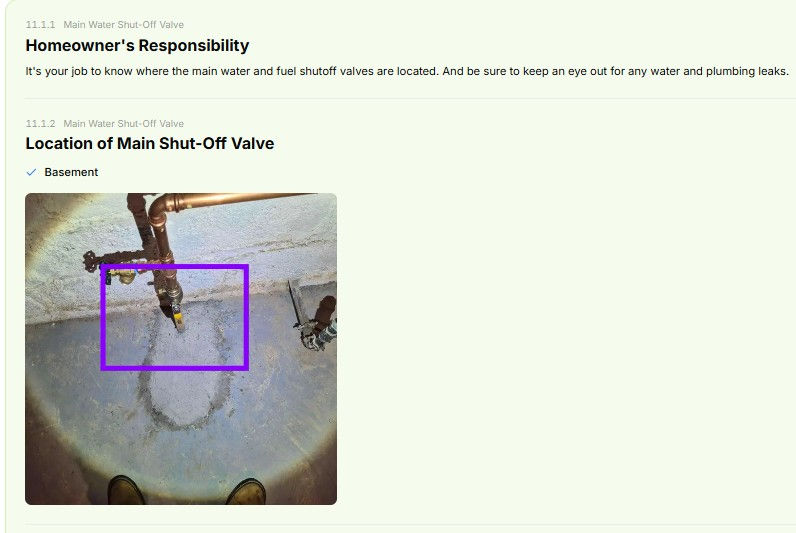
Make sure everyone in the house knows where the main water shutoff, the main gas valve, and the electrical panel are, and how to use them. This is the season a frozen or burst pipe is most likely, and knowing how to shut the water off fast can save you thousands.
Keep firewood stored well away from the foundation, at least twenty feet if you can.
Clean the clothes dryer exhaust duct and the space under the dryer if you didn't get to it at move-in.
Check the caulking and weatherstripping around windows and doors, which keeps heat in and your bills down, and recheck the caulk around bathroom fixtures so water can't seep into the subfloor.
Test the GFCI outlets around the home, and make sure holiday decoration connections are tight.
After heavy snow, watch for ice building up along the eaves. Ice dams are a sign that heat and airflow in the attic aren't quite right.

InterNACHI Winter Home Maintenance Checklist graphic
Which of these tasks are DIY, and which need a professional?
A lot of this you can handle yourself with a little research and a trip to the hardware store. Changing filters, cleaning gutters on a single-story home, replacing alarm batteries, checking softener salt, sealing driveway cracks, and deep cleaning are all reasonable weekend jobs.
Some things are worth handing to a professional, either because they're safer that way or because a trained eye catches more. HVAC tune-ups, duct cleaning, chimney sweeping, and water softener service fall into that group. Anything involving the roof deserves real caution. If the roof is steep, wet, or two stories up, it's not worth a fall, and that goes for cleaning gutters up there too. When in doubt, hire it out, and let the pro tell you what they find.
None of this is meant to overwhelm you. Spread across a year, it's a small amount of work that protects the largest purchase most people ever make.
How your report and an annual check keep you ahead
Your inspection report isn't a one-time document you file away. It's a reference you'll come back to. When a contractor gives you a quote, when you're deciding what to tackle next, or when you're planning for a replacement a few years out, the report and the life-expectancy chart give you the context to make a good call. That's the whole reason our reports include the diagrams, explanations, and planning tools they do.
Some owners like to stay ahead of the curve with an annual maintenance inspection. We walk the home once a year, document its current condition, and give you an updated report to plan around, the same way you'd get a yearly checkup for anything else you want to keep in good shape. It's a straightforward way to catch the small stuff early, which is almost always cheaper than catching it late.
The bottom line
Owning a home is mostly a series of small, predictable habits. Handle the move-in list while the house is empty, then let the seasons tell you what to do next. Keep water moving away from the house, change what needs changing on schedule, and deal with little problems while they're still little. Do that, and the home works for you instead of the other way around.
Frequently asked questions
What maintenance should I do right after buying a house? In the first few weeks, put fresh batteries in every smoke and carbon monoxide alarm, change the HVAC filter and schedule a tune-up, test the water heater's relief valve, clean the gutters and dryer vent, and give the kitchen appliances a deep clean. The window between closing and moving in is the easiest time to do the work, before furniture is in the way.
How often should I change my HVAC filter? Check it monthly and change it when it looks dirty. For most homes that's every one to three months, though pets, allergies, and heavy use shorten that. A thin one-inch filter clogs faster than a thick pleated one.
Should I flush my water heater every year? Manufacturers commonly recommend flushing a tank water heater about once a year to clear out sediment. If the tank is old and has never been flushed, be cautious, since draining it can occasionally expose a leak. In that case it's reasonable to have a plumber do it. Tankless units need descaling rather than flushing.
How often should gutters be cleaned? At least twice a year, in spring and again in fall after the leaves drop. Homes with a lot of nearby trees may need it more often. Clogged gutters send water against the foundation, which is one of the more preventable causes of water problems.
When is the best time to seal driveway cracks? On mild, dry days in spring or fall, not during freezing weather or extreme heat. Sealing cracks keeps water out, which stops the freeze-and-thaw cycle from widening them over the winter.
Do I need a professional for first-year home maintenance? Some of it, yes. Filters, gutters on a single-story home, alarm batteries, and driveway sealing are all DIY-friendly. HVAC service, duct and chimney cleaning, and anything on a steep or high roof are better left to a professional, both for safety and for the trained eye.
Does Tech Inspect offer ongoing maintenance inspections? Yes. Our annual home maintenance inspection gives you an updated report on the home's condition each year so you can plan repairs and upgrades with current information. It's a simple way to catch small issues before they become expensive ones.
Ready to start your first year on the right foot?
Start with the free tools. Our resources page has the same planning template and InterNACHI life-expectancy chart we include with every inspection, plus seasonal checklists to keep you on track through the year.
Put your report to work. If you have questions about a finding or where it should land on your priority list, reach out. Supporting our clients after the inspection is part of what we do.
Stay ahead with an annual check. Want an updated read on your home every year? Schedule a maintenance inspection and we'll keep you current on its condition.
Tech Inspect Home Services LLC · 3580 Highway T, Marthasville, MO 63357 · 636-201-6366 · sean@techinspecthome.com